
Photo by Armine Hayrapetyan
Karmir gyugh (Drnavarz [Dṛnavarz]), a walled Khachkar-chapel
Monument
Monument type
A walled khachkar Other names
Pem (Bem) initial, sequential and current
Shrine, memorial
The name of conservation unit
A walled khachkar
Individually referenced sections (parts) of conservation unit
Khachkar № 1, Khachkar № 2, Khachkar № 3 A topographic report
Region (province), community
Mukhank Province (later Varanda) of the historical Greater Armenian Artsakh, until 2023: Republic of Artsakh, Askeran region, Karmir gyugh (village).
Distance and location from community
It is located 2.3 km northwest of Karmir gyugh, 300 km north of Eghen [Ěghen Nahatak] (Martyr) Church.
Site elevation above sea level
It is 1295 m above sea level. Hydrography
It is located 5.5 km north of the source of the Varanda River, under the cliff of the western branch of Bovurkhan Mountain. Description
Between the 11th and 14th centuries in Armenia, a new type of walled khachkar-chapels with a unique structure emerged. One of the ten well-known walled khachkar-chapels in Artsakh is located in the village of Karmir gyugh (Drnavarz [Dṛnavarz]). It is situated on the northern side of the village, 300 meters north of Ěghen Nahatak Church. The monument was erected on the edge of the historical road passing through the western branch of Bovurkhan Mountain, which connected Drnavarz [Dṛnavarz] with the village of Krasni [K‘ṛasni].
About the monument, the ethnographer and folklorist Makar Bishop Barkhudaryants, who saw the monument standing at the end of the 19th century, wrote: «Եկեղեցուցս փոքր ինչ վերև է սրբատաշ չիչ քարով շինուած բեմն, որ ունի երեք մետր լայնությիւն, 2 հաստությիւն և 5 մետր բարձրութիւն։ Բեմիս արևմտահայաց ճակատում զետեղուած է երեք գեղեցկաքանդակ և նրբագործ խաչարձան, որոնց վերև գրուած է․ Թվ․ ՇԻ․(1071) կամաւ ամենակալին Աստուծոյ ես․․․ Գրիգոր․․․ Աստուծոյ միաբան եղբարքս լա․․․ զխաչս իշխանութեան․․ և հայրապետութեան․․ Օհանէսի տէր Ներսէսի ո․․․ աղաւթեցէք»։ ("Just above my church is an altar made of finely hewn pumice stone, measuring three meters in width, two meters in thickness, and five meters in height. On the west-facing facade of the altar are three beautifully carved and finely crafted khachkars, above which is inscribed: "Year 1071, by the will of Almighty God, I, Grigor... my brothers in the fellowship of God... this cross in the lordship of... and patriarchate of... Ohannes, Ter Nerses... pray for us.""
Sedrak Barkhudaryan considered Makar Barkhudaryan"s naming of these monuments “the Bem” to be a confusion.
However, it is worth noting that locals also call the monument Pem (Bem) because it served as the church altar when it was standing. Aleksan Hakobyan suggests that the Grigor mentioned in the inscription could be the Prince of Dizak.
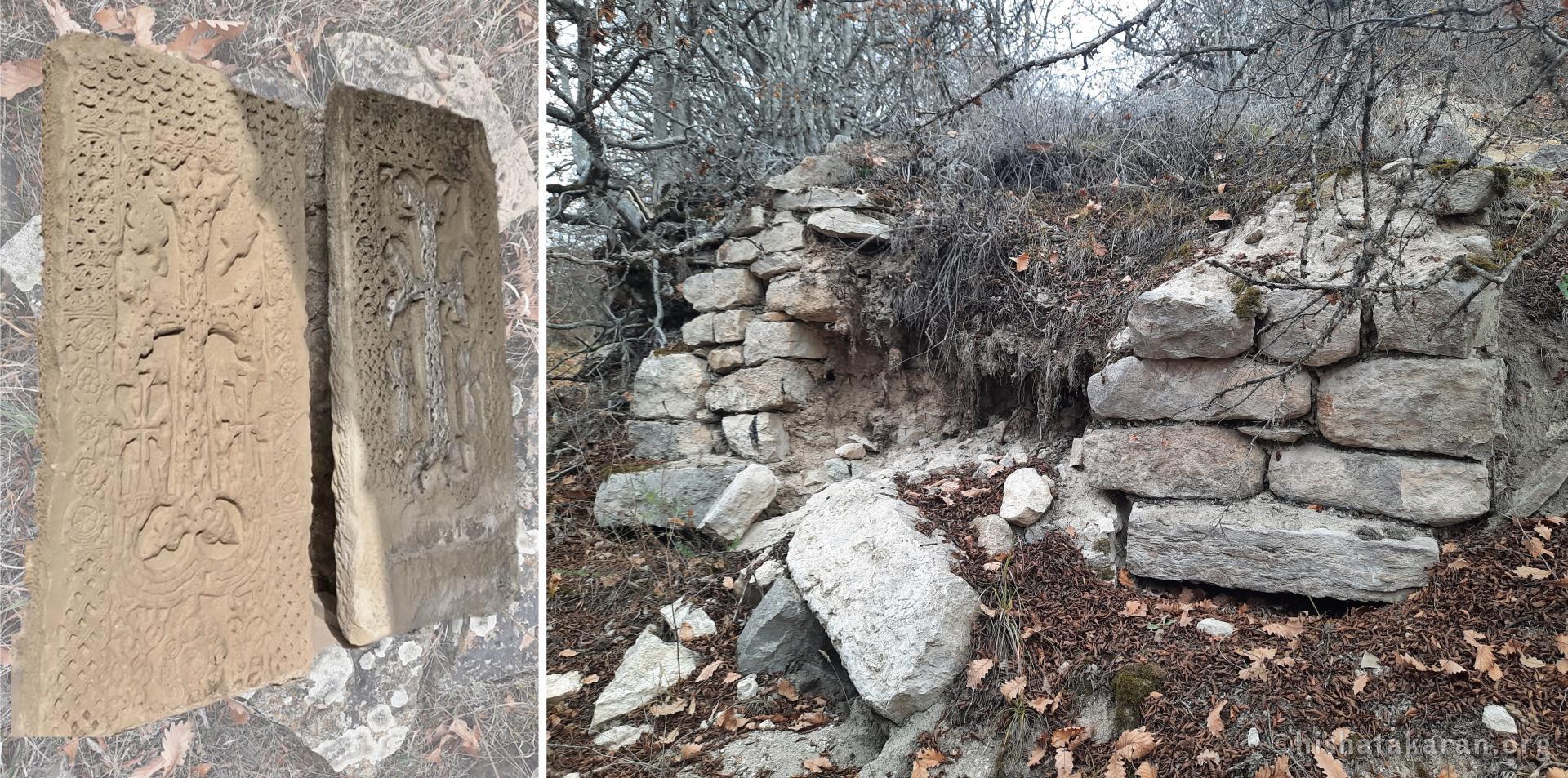
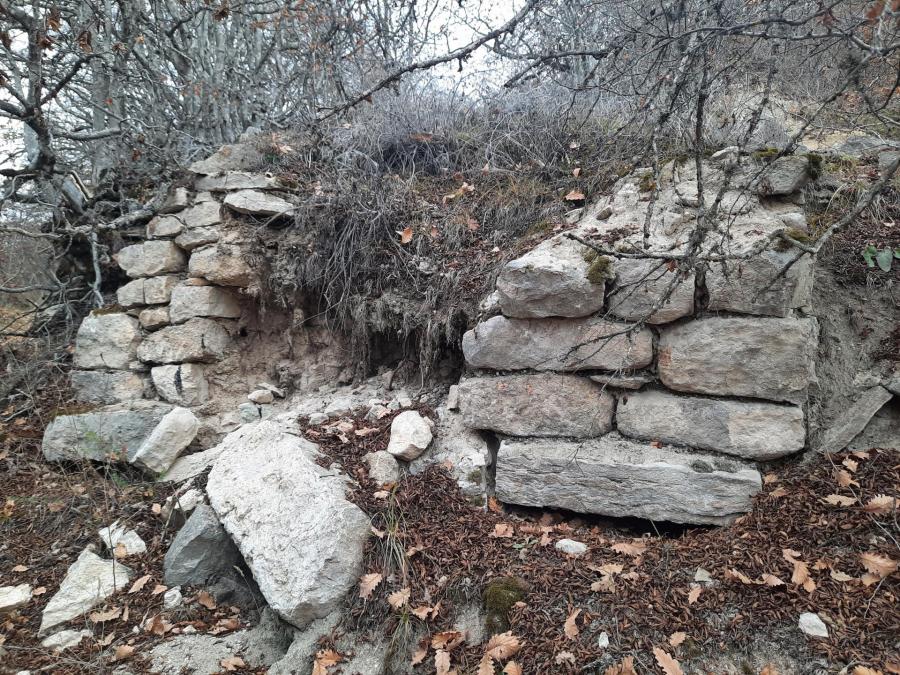
Monumentologist Samvel Karapetyan, following Makar Bishop Barkhudaryants, visited the ancient site, but did not find the stones containing the above-mentioned inscription in the area. He wrote in his article "Walled khachkar of Artsakh". «Ցավոք, ներկայումս խիստ ավերված վիճակում է գտնվում հուշարձանը, որից մնացել է միայն կառույցի ստորին մասը։ Անհետ կորել են արձանագիր քարերը և միայն երեք խաչքարերը դեռևս տեղում են, կոթողից մի քանի մետր հեռու՝ ավերակների մեջ․․․» ("Unfortunately, the monument is currently in a severely ruined state, with only the lower part of the structure remaining. The inscribed stones have disappeared, and only the three khachkars are still in place, a few meters away from the pillar, amidst the ruins...".
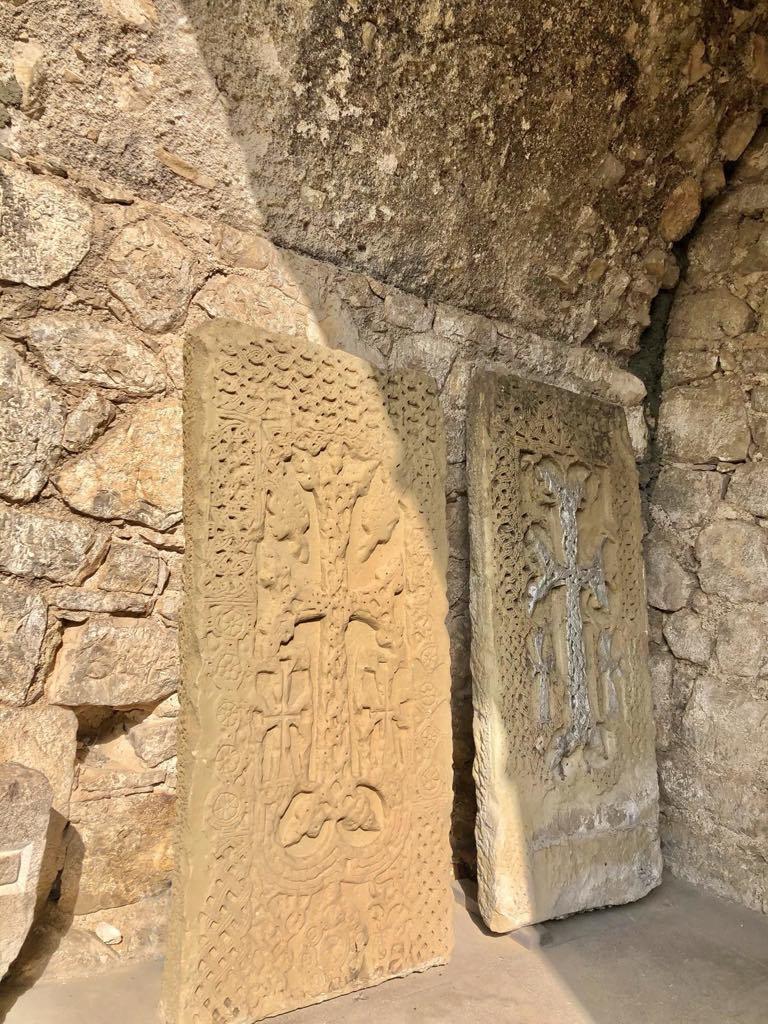
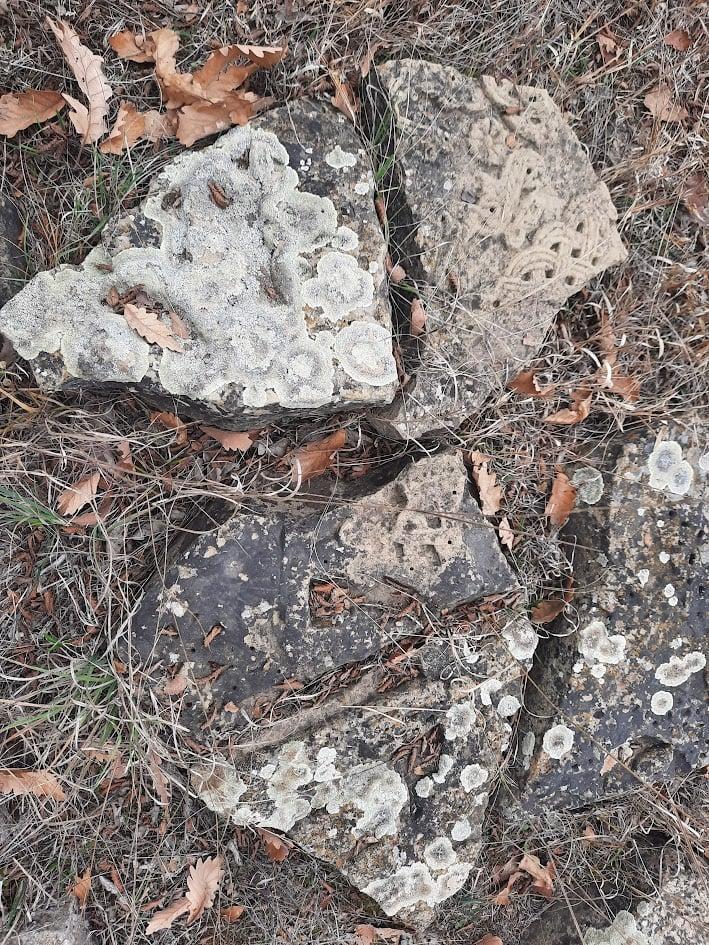
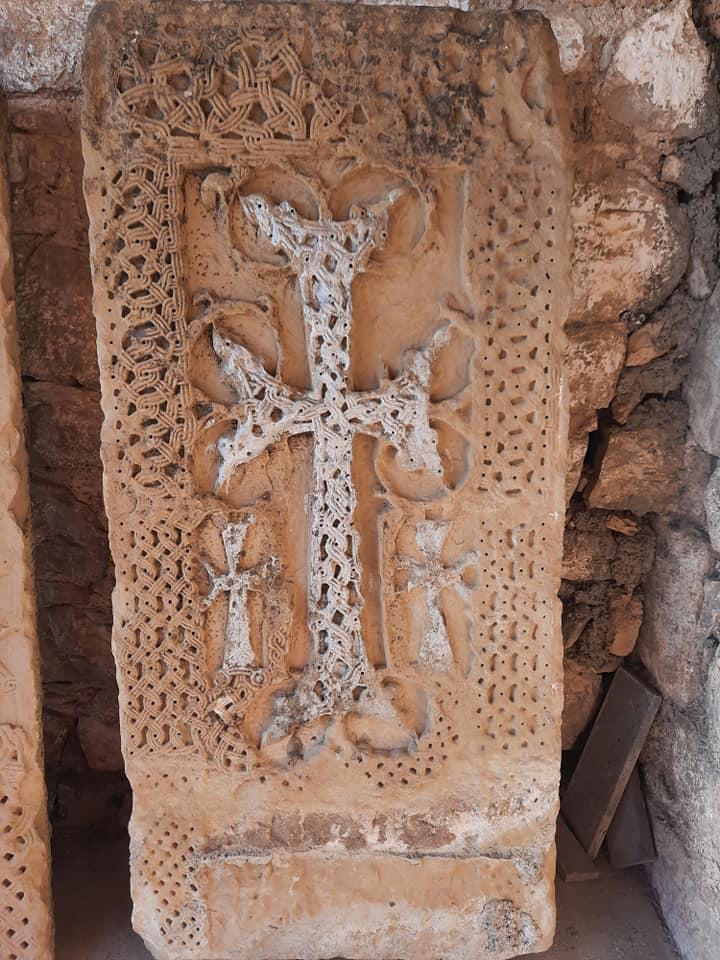
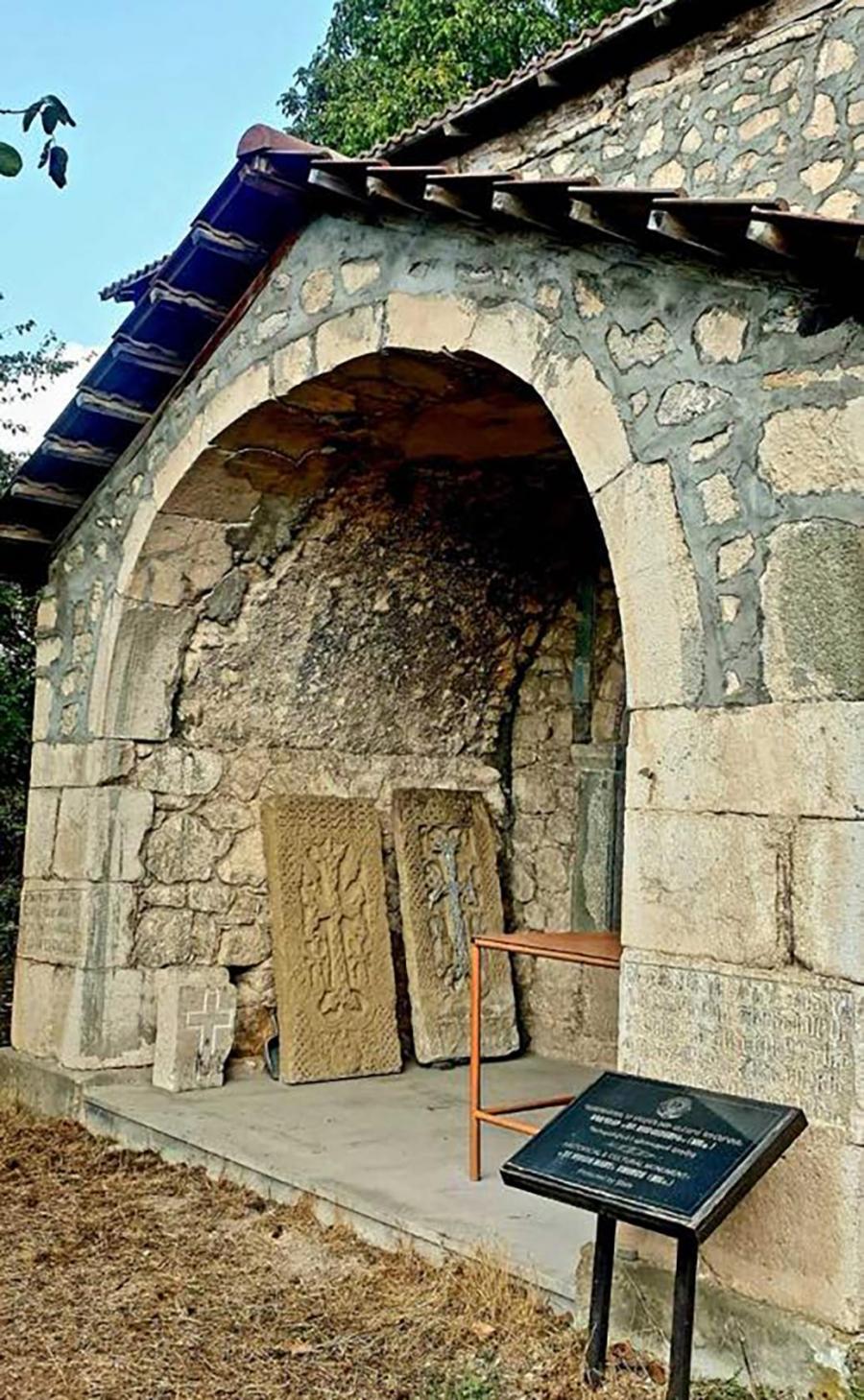
One of the three khachkars preserved from the monument is fragmented, while two are intact. Local residents relocated the khachkars to Karmir gyugh (Karmir village) for safekeeping. Eventually, they found their permanent home in the hall of the Surb Astvatsatsin (Saint Mother of God) Church in the village. Currently, remnants of the lower part of the building"s walls and fragments of the broken khachkar are preserved at the monument site.
Historical record
Cultural characteristics, period, century (centuries)
Armenian Apostolic Church, 11th century (1071)
Documents for dating: Justification of the date based on epigraphy.
According to the inscription (which is not preserved)Documents for dating: according to bibliographic sources
The inscription regarding the construction was provided to us by the ethnographer and folklorist Makar Bishop Barkhudaryants.
Chronological table of monument
It was erected in 1071 and served as a sanctuary. It was destroyed during the Soviet era. On September 20, 2023, the village was occupied by the Azerbaijani army. The current state of the monument is unknown.
Chronological table of research on the monument (period, author, works)
In the 1980s, monumentologist Samvel Karapetyan conducted field studies, including them in the article "Walled khachkars of Artsakh" (1983).
Descriptive-Characterization Report
Architectural overview: architectural composition
The monument had a rectangular plan and a vertical structure. Three elegant 11th-century khachkars were positioned on the back wall of the arched altar. The monument, with its elevated base and arched roof, resembled a church altar, hence why it was referred to as Pem (Bem, altar) by the locals. The structure"s roof was likely double-pitched, similar to other monuments in Artsakh, such as those in Dahrav village (11th century), Hatsi village in the Martuni region (13th century), and Vank’ village in the Hadrut region. Examples can also be found in the khachkars of Spitak Khach Monastery (14th century).
Building material (type, colour)
Limestone, pumice stone, lime mortar
Structures (load-bearing, roofing)
Arched (not saved)
Roof (material, type)
Double-pitched(not saved)
Type
Memorial, shrine The condition of the monument before the forced displacement of Armenians
Ruin
Value
It is important for the study of medieval walled khachkars, as well as for the study of the history of the village of Dṛnavarz (Karmir gyugh) in Artsakh. ----------------------------
1Barkhutareants M․, Artsakh, Bagu, 1895, p. 131։
2Barkhudaryan S., Divan hay vimagrut’yan, prak V, Artsakh, HSSH GA hrat․, Erewan, 1982, p. 143։
3 Hakobyan A․, Patma-ashkharhagrakan ew vimagragitakan hetazòtut’iwnner (Artsakh ew Owtik’), Vienna-Erewan, 2009, p. 63։
4 Karapetyan S․, Artsakhi vormnap’ak khachk’arerě, Ējmiatsin, 1983, p. 35-36։
Photos
...
Main bibliography
.
A․H․, S․D․, A․L․-Y․