
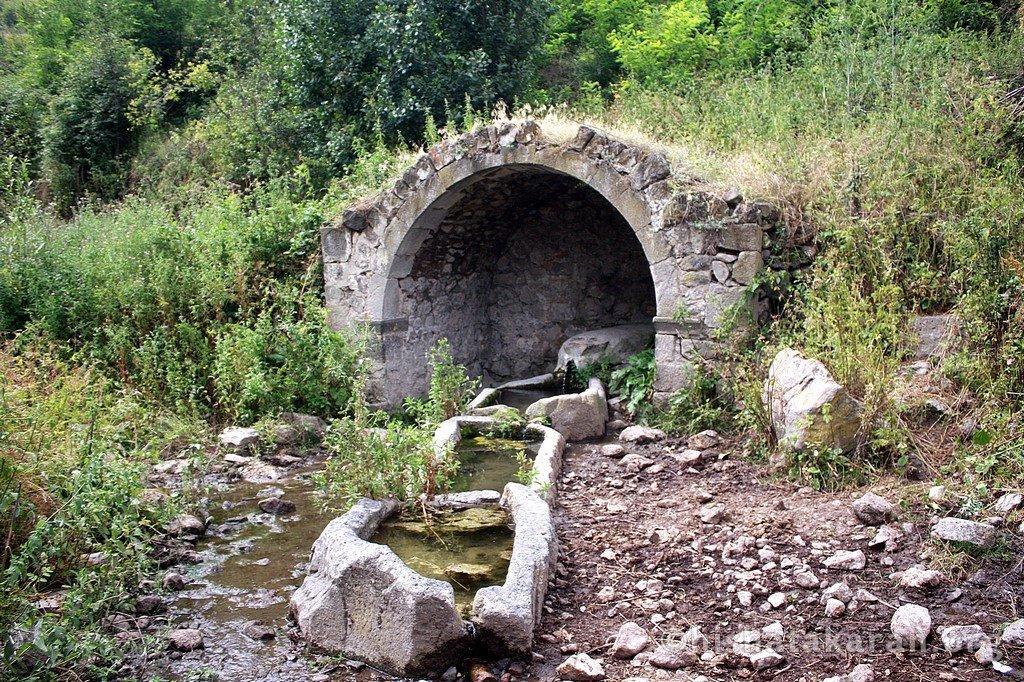
Photo by Lernik Hovhannisyan
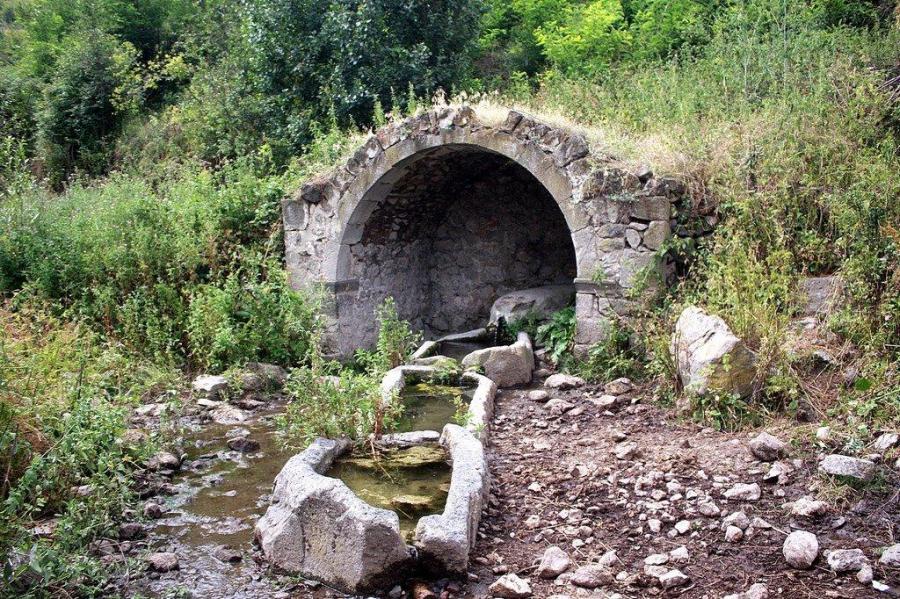
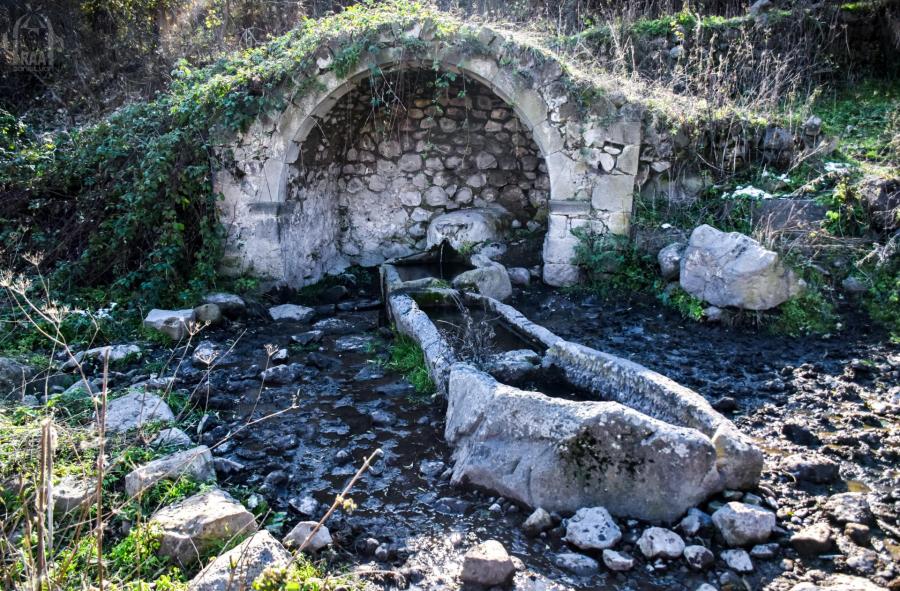
Ghushchi [Ghushchʻi], village central fountain
Monument
Monument type
Fountain initial, sequential and current
According to the construction characteristics, it was built at least in the 17th century and was used until the depopulation of the village of Ghushchi [Ghushchʻi] of its Armenian population. Later, in 1895, it was renovated by an Armenian artisan for the needs of the Muslim population settled in the village. The fountain continues to function to this day. Original ownership and affiliation
Ghushchi [Ghushchʻi] village The name of conservation unit
Fountain A topographic report
Region (province), community
Aghahechk [Aghahechʻkʻ] Province of the Syuneats [Syuneatsʻ] Region of Greater Historical Armenia, Lachin Region during the USSR and from 1992 to December 2020: Republic of Artsakh, Kashatagh Region. Topography
It is located 17 km northwest of the city of Berdzor, about 2 km southeast of the village of Mirik, in the hamlet of Ghushchi [Ghushchʻi]. Distance and location from community
It is located in the central part of hamlet of Ghushchi [Ghushchʻi].Site elevation above sea level
It is 1514 m above sea level. Hydrography
It is located in the upper reaches of Aghavno River, 1 km west of the river. Description
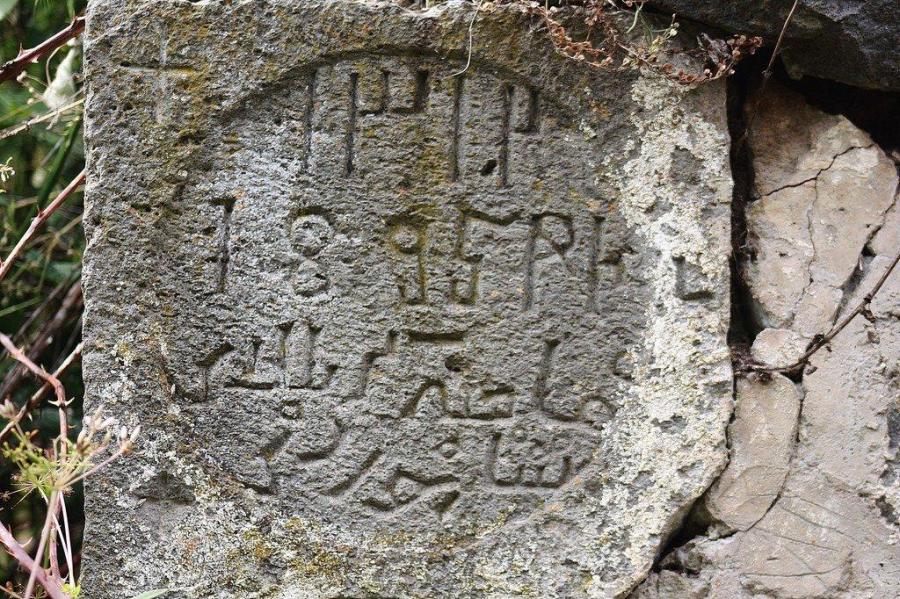
The village of [Ghushchʻi] is located in the Aghahechk [Aghahechʻkʻ ]province of historical Syunik. It has been mentioned since the 13th century. Unfortunately, most of the historical and cultural heritage of this monument-rich village has been destroyed by foreigners who settled here. Two vaulted stone fountains have been preserved on the territory of the settlement.The three basins of the village fountain, with a total length of 5.7 meters, were built at least in the 13th century, on top of which the current vaulted structure was erected at the end of the Middle Ages. The latter, having been rebuilt and repaired at different times, continues to function without interruption until today. It is known that the Armenian population of the village was displaced and Kurds settled in the village. In the 19th century, the vaulted building of the spring became dilapidated. In 1895, by order of the local Muslim population, Armenian craftsmen1 repaired the spring and left the following inscription in Armenian and Arabic on the left edge of the spring: «Հիջրի 1312 (1895)|1895 թիւ| տերը Քարբալայի Շախրդի (?)»2.
Historical record
Cultural characteristics, period, century (centuries)
13-19th centuries Documents for dating: Justification of the date based on epigraphy.
In the left corner of the front wall of the fountain, there are Armenian and Arabic inscriptions testifying to the reconstruction of 1895, which is enclosed in a round frame. Chronological table of monument
The fountain has existed since at least the 13th century. The vaulted building was probably built in the 17th century. It was renovated in 1895. The village has been occupied by Azerbaijan since December 2020. Chronological table of research on the monument (period, author, works)
In 2014, at the initiative of the Department of Tourism and Historical Environment Protection attached to the government of the Republic of Artsakh, Lernik Hovhannisyan visited the monument site and drafted the monument certificate document based on fieldwork. Samvel Karapetyan also reported information about the monument in his book "Sources of Armenia." Brief historical overview
The village of Ghushchi [Ghushchʻi] was first mentioned by Stepanos Orbelyan as a village paying taxes to the Tatev Monastery3.In a Persian document from 1691-92, the village of Ghushchi [Ghushchʻi] is mentioned among the 13 village names listed in the localities of Kushtasif (Kashatagh province). Its governor is noted in 1691. A power of attorney was issued in the name of Ilias, son of Melik Hakhnazar of Kashatagh4.
According to the tax list of 1781, the village of Ghushchi [Ghushchʻi] paid a fruit tax of 1,600 dachas to Tatev monastery5.
Descriptive-Characterization Report
Archeological overview: stratigraphy, findings (artefacts)
Architectural overview: architectural composition
Decorative and monumental features: composition, colours
The spring"s arch and side corners are lined with sacred basalt, the rest of the sections are lined with rough stones and lime mortar. The three irregularly and asymmetrically shaped gourds of the spring are built of solid basalt stones; Building material (type, colour)
Basalt, sandstone, limestone Type
Rural spring Dimensions: length
5,7 m Dimensions: width
3,3 m Dimensions: height
3,2 m The condition of the monument before the forced displacement of Armenians
Average Value
The spring, with its architectural composition and significance, occupies an important place among the similar monuments of late medieval spring construction in Artsakh and Syunik. ----------------------------
1 Karapetyan S., Armenian fountains, 2023 p. 163։2 Reading of the inscription by R. Kortoshyan
3 Ժամանակագրութիւն Ստեփաննոսի Օրբէլեանի (հրատարակության համար պատրաստեց՝ Ա․ Աբրահամյանը) Երևան, 1942, p. 42։
4 Կոստիկեան Ք․, Քաշաթաղի 17-րդ դարի պատմութեանը վերաբերող մի փաստաթուղթ. - Մերձաւոր եւ Միջին Արեւելքի Երկրներ եւ ժողովուրդներ, հ. 20, Երևան, 2001, p. 168-175։
5 Հակոբյան Թ․, Մելիք-Բախշյան Ստ., Բարսեղյան Հ․, Հայաստանի եւ հարակից շրջանների տեղանունների բառարան, Երևան, 1991, p. 2653։
Measurements

The measurement and plan of the central fountain of Ghushchʻi village
By Ashot Hakobyan (RAA archive)
Karapetyan S., 2023 - Samvel Karapetyan, Armenian fountains, Research on Armenian Architecture Foundation (RAA), Yerevan, 2023․
Photos
...
.
A․H․, S․D․