Photo by Slava Sargsyan
Dahrav, Surb Saṛa Nahatak (Saint Sara Martyr) Chapel-Sanctuary
Monument
Monument type
Chapel Given name
Surb Saṛa Nahatak (Saint Sara Martyr) Other names
Nahataki sorp‘, Sorp‘, Surb Sarra initial, sequential and current
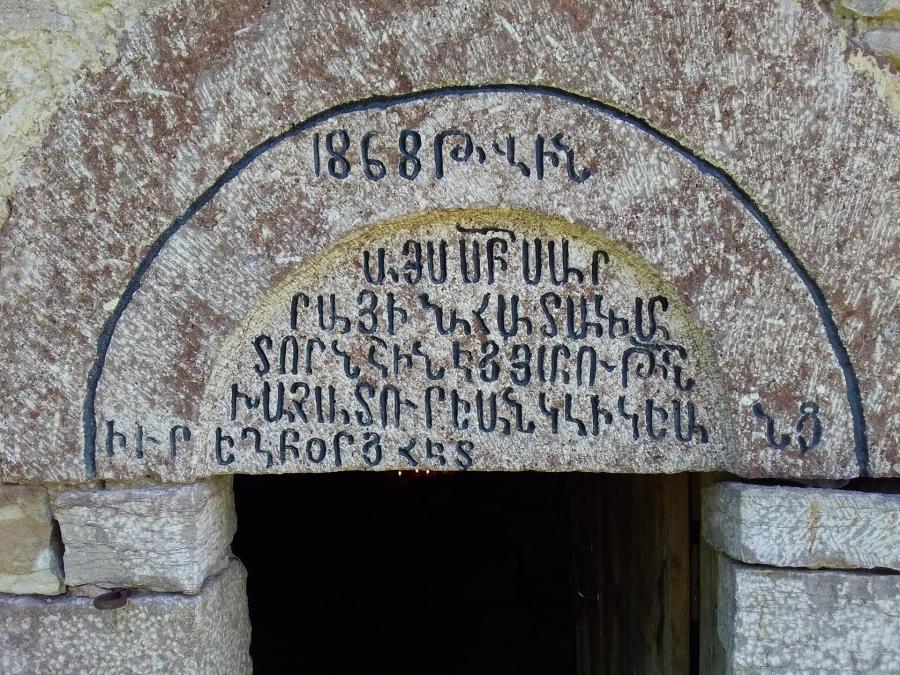
The traces of earlier buildings preserved on the ancient site, as well as the cemetery and the 12th and 13th-century khachkars, prove that the chapel was most likely built in the developed Middle Ages. The inscription on the entrance tympanum attests to the reconstruction of 1868. During the Soviet period, the roof was covered with metal sheets. It served as a sanctuary until September 2023.
Original ownership and affiliation
Dahrav The name of conservation unit
Chapel Individually referenced sections (parts) of conservation unit
Chapel, cemetery, khachkars
A topographic report
Region (province), community
Harchlank province of the historical Great Armenian Artsakh world (later, principality of Khach‘en), until 2023: Artsakh Republic, Askeran region, Dahrav, Askeran region, Dahrav․ Distance and location from community
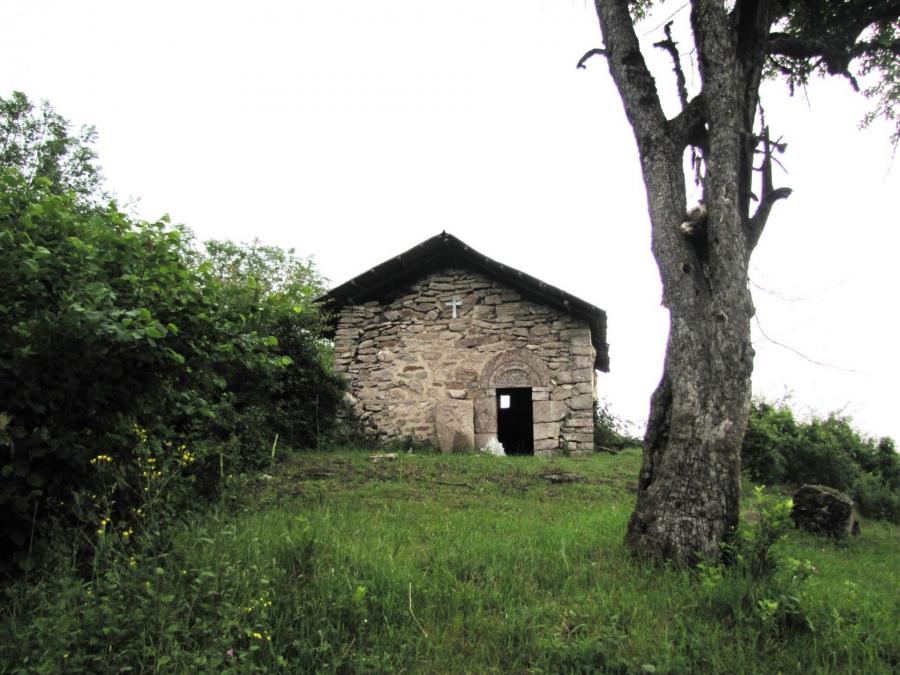
It is located 3,2 km southwest of Dahrav village, on top of a forested mountain
Site elevation above sea level
It is 1645 m above sea level Hydrography
It is located in the watershed of the Ptretsik‘ and Meghraget tributaries of the Karkar River, in the source area of the Tsrtaget tributary of the Meghraget․ Description
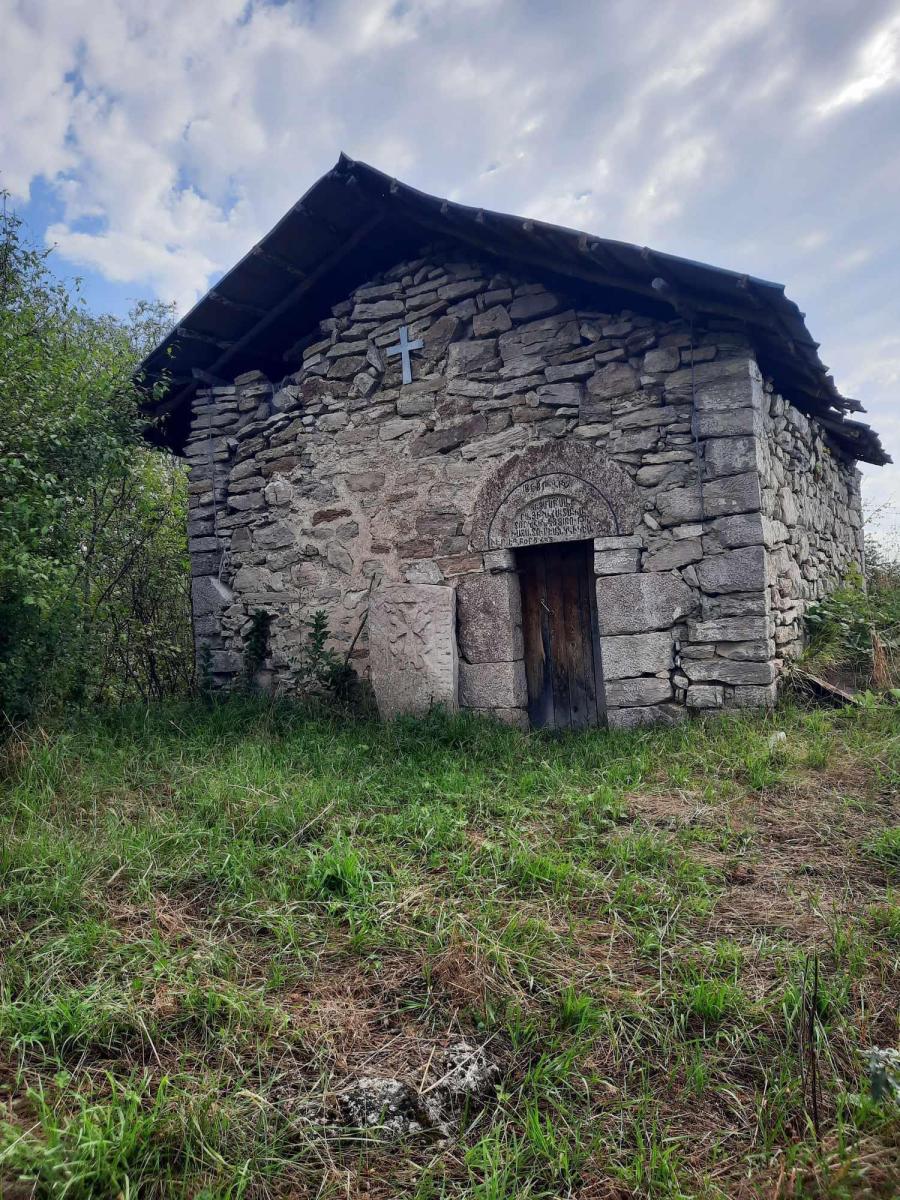
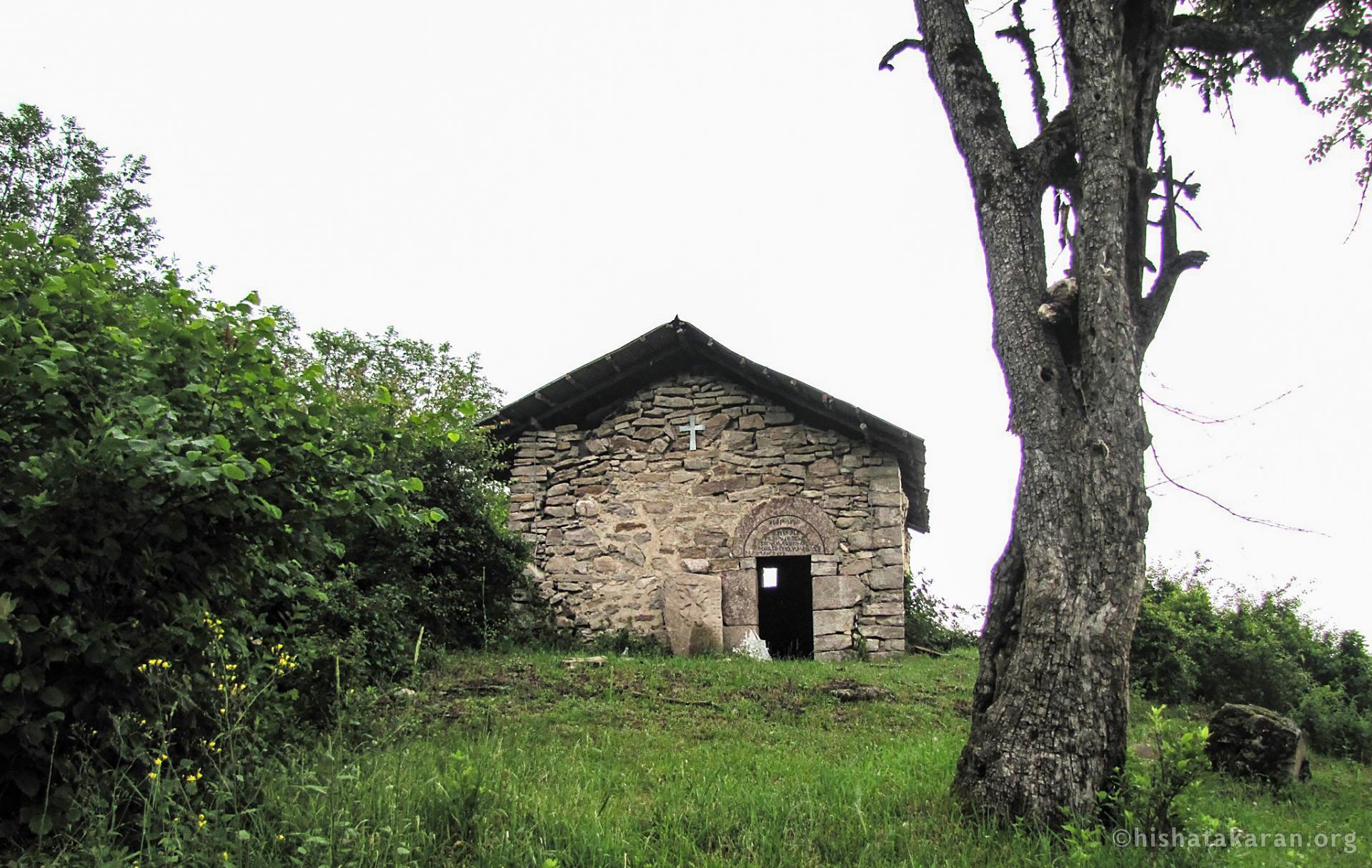
The chapel-sanctuary of Surb Saṛa Nahatak is located within the territory of the village of Dahrav in the Askeran region, 3.2 km southwest of the settlement, atop a wooded mountain. Through on-site fieldwork, it has been discovered that there was a famous sanctuary here in antiquity, where a single-nave church was built in the developed Middle Ages, and the current chapel was constructed on the ruins of the former. According to the inscription on the entrance stone, it was built in 1868 by Yarutiun Khatcaturean Kilikeants with his brothers: «1868 թվին | այս Ս[ուր]բ Սար|րայի նահատակի մա|տորն շինէց Յարութ[իու]ն | Խաչատուրեան Կլիկեանց | իւր եղբօրց հէտ»
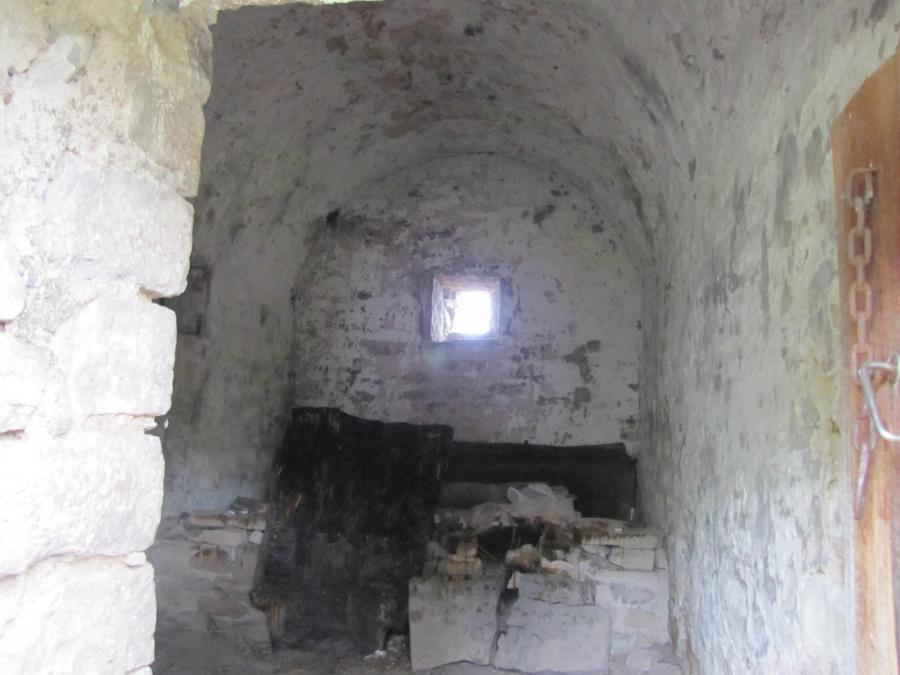
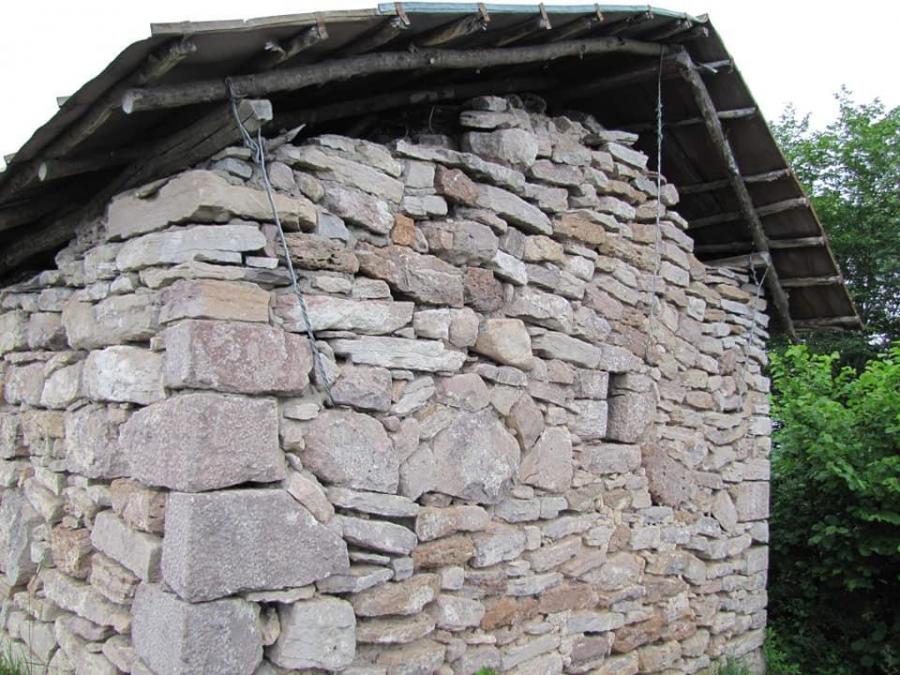
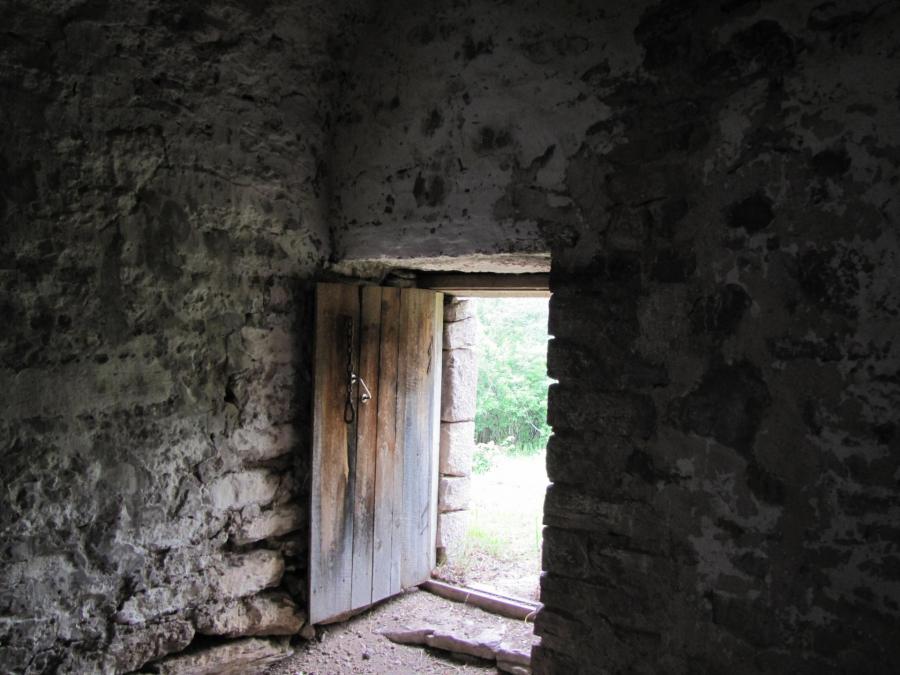
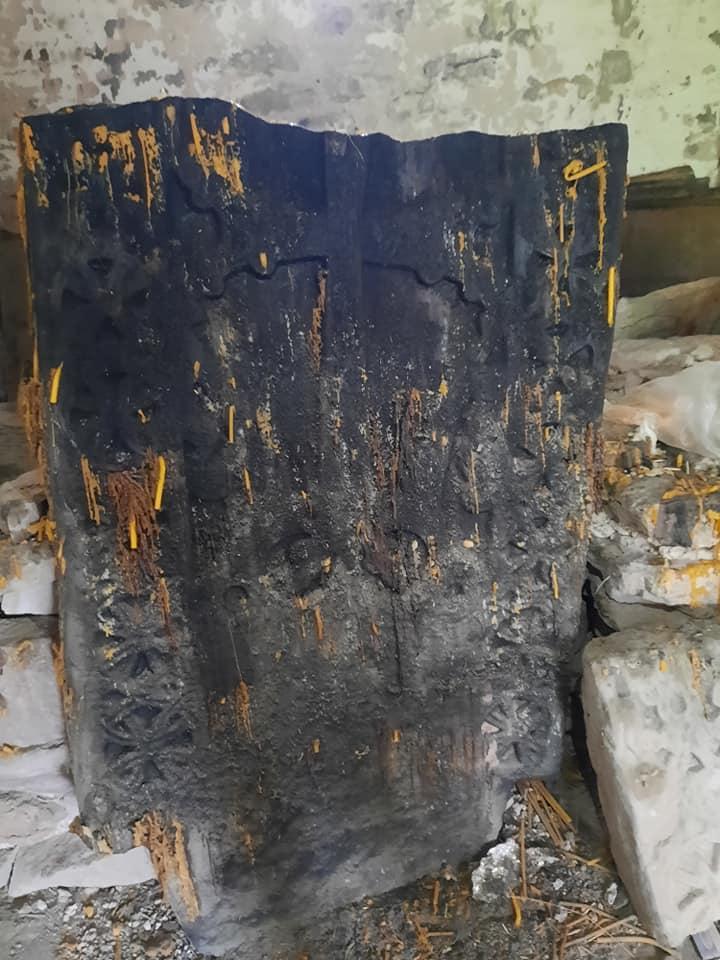
The chapel is a small vaulted structure measuring 6.4 meters in length, 4.4 meters in width, and 3 meters in height. It is a single-nave hall with a rectangular altar on the east side, which is raised and integrated into the main hall. There is a small rectangular niche on the north wall of the altar. The only small window is located on the east side, in the central part of the altar. Entry is through the southern corner of the west facade. It is constructed with rough irregular stones of various sizes and lime mortar. The cornerstones are carved and semi-carved. A large 13th-century khachkar is leaning against the altar, its top broken, and the fragments placed nearby. It is noteworthy that this khachkar is the main focal point of worship in the sacred place, hence it is entirely covered with a layer of wax and soot. Presumably, the khachkar was brought here from the cemetery near the chapel. Another khachkar from the same period is also erected on the left side of the entrance.
The 1-meter-wide foundation walls visible to the west of the chapel indicate that the sanctuary was fortified. There likely was also a fortress in the past. Outside the fortifications, on the north and northwest sides, extends the medieval cemetery. On the west side, traces of houses and remnants of walls indicate an ancient settlement.
According to preserved traditions, the sanctuary had healing powers and people came here to pray, light candles and make sacrifices (matagh) to be cured of various diseases.
* * *
According to local tradition and the testimony of villagers, there was an ancient village in this region called Akhach‘. On the high slope of this village, at sěṛ1, there was a pre-christian era cemetery. According to popular folklore, relics of martyrs and other early christian saints were gathered there. Hence comes the name "Martyr of sěṛ" or "Sěṛa Martyr". This name has also been transferred to the current chapel. Villagers testify that relics of Vardan Mamikonyan are also preserved in the sanctuary.
Before the depopulation of the village, the inhabitants of Dahrav maintained the old tradition. Every year, on the last Sunday of August, they went on a pilgrimage with their fellow villagers and offered sacrifices (matagh) to the martyrs of Saṛ.
Historical record
Cultural characteristics, period, century (centuries)
Armenian Apostolic Church, 12-19th centuries Documents for dating: Justification of the date based on epigraphy.
According to the construction inscription on the tympanum of the entrance door Documents for dating: according to the iconography
The khachkars preserved inside and around the chapel, based on their stylistic and artistic characteristics, date from the 12th to the 13th centuries. Chronological table of monument
The summit of the wooded mountain southwest of the village of Dahrav was a fortress-residence and a sacred place formed in the Middle Ages. The current chapel was built in 1868 within the territory of the ancient site. Occupied by Azerbaijan since September 29, 2023, the current state of the monument is unknown.
Descriptive-Characterization Report
Architectural overview: architectural composition
It is a simple vaulted hall. The altar is rectangular. Building material (type, colour)
Limestone, shale, sandstone, lime mortar Building openings: entrances (number, orientation)
The entrance to the chapel is from the western side. Building openings: windows (number, orientation)
The only window is from the east. Structures (load-bearing, roofing)
Vaulted Roof (material, type)
The old roofs were not preserved. In 1994, the roof of the chapel was covered with sheet metal at the initiative of the Samvelyan family from Dhahrav. Methods of construction (processing of construction material, masonry, size, type, cladding)
The walls are constructed from local stones and lime mortar, with an irregular layout. Only the corners and the entrance frame are made of either fully or partially carved stone. Finishing and decoration
Sober Type
Chapel-sanctuary Dimensions: length
6,4 m Dimensions: width
4,4 m Dimensions: height
3 m The condition of the monument before the forced displacement of Armenians
Average Value
It holds significant importance in the study of the historical, cultural, and spiritual heritage of the Khach‘en principality in Artsakh, as well as that of Dahrav village. ----------------------------
1Sēṛ, sěṛ [սէռ] (dialectal form) - the upper line of the mountain, on both sides of which the descent begins.A․H․, S․D․, A.L.-Y.
Photos