
Tumi, Karmir Yegtsʻi (Red Church)
Monument
Monument type
Church Given name
Karmir Yeghtsʻi (Red Church) Other names
Built in 1000. By the end of the 19th century it was already in a semi-ruined state, but for the inhabitants of the village of Tumi it continued to serve as an important pilgrimage site until 2020, when the village was occupied by Azerbaijan. There is no information about the current state of the monument. Original ownership and affiliation
Principality of Dizak, village of Tumi The name of conservation unit
Church Individually referenced sections (parts) of conservation unit
Church, cemetery, khachkars, tombstones A topographic report
Region (province), community
Greater Armenia, Province of Artsakh, District of Myus Haband. Later part of the Melikdom (principality) of Dizak. In 1991–2020: Republic of Artsakh, Hadrut region, Tumi. Address
Republic of Artsakh, Hadrut region, Tumi Distance and location from community
12.5 km northwest of Hadrut town. Geographical coordinates
12.5 km northwest of Hadrut town. Site elevation above sea level
1081 meters above sea level Description
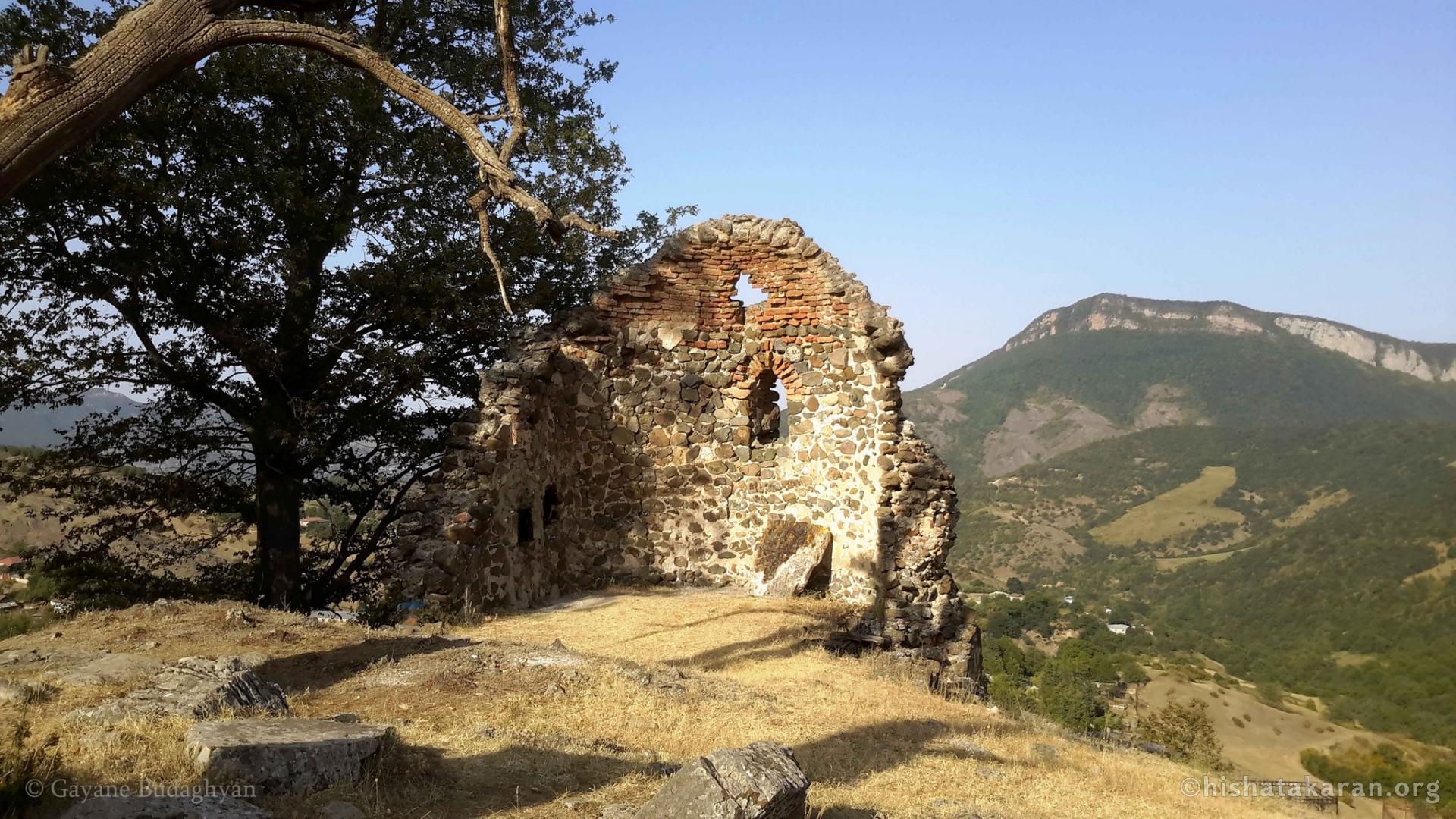
The Karmir Yeghtsʻi (Red Church) is located in the southern part of Tumi village of Hadrut region, in an area known as Yeghtsʻu Khutʻ. Its precise original name is unknown. The name “ Karmir ” (Red) was given due to the red brick used in its construction. The ethnographer and folklorist Bishop Makar Barkhudaryan saw the church already in ruins at the end of the 19th century: «Գիւղիս հարաւային կողմում, ձորակի աջ կողմի սեռի վերայ, շինուած է հասարակ քարով: Ամբողջապէս փլած է եկեղեցուս հարաւային պատն և թաղն կամարներով միասին: Ունեցած է երկու դուռն հարաւային և արևմտեան կողմերից: Երկարութիւնն 11 մետր, լայնութիւնն 6 մետր 45 սանթիմ»1 (On the southern side of the village, on the right bank of the gorge, it is built with rough stone. The entire southern wall and its vault with arches have collapsed. It had two doors, on the south and west sides. Its length is 11 m, its width 6 m 45 cm.)
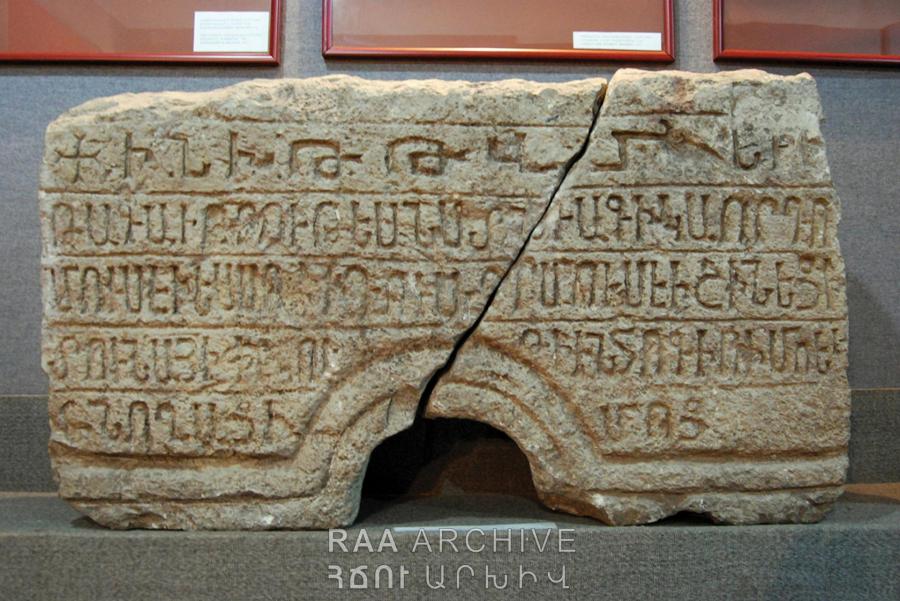
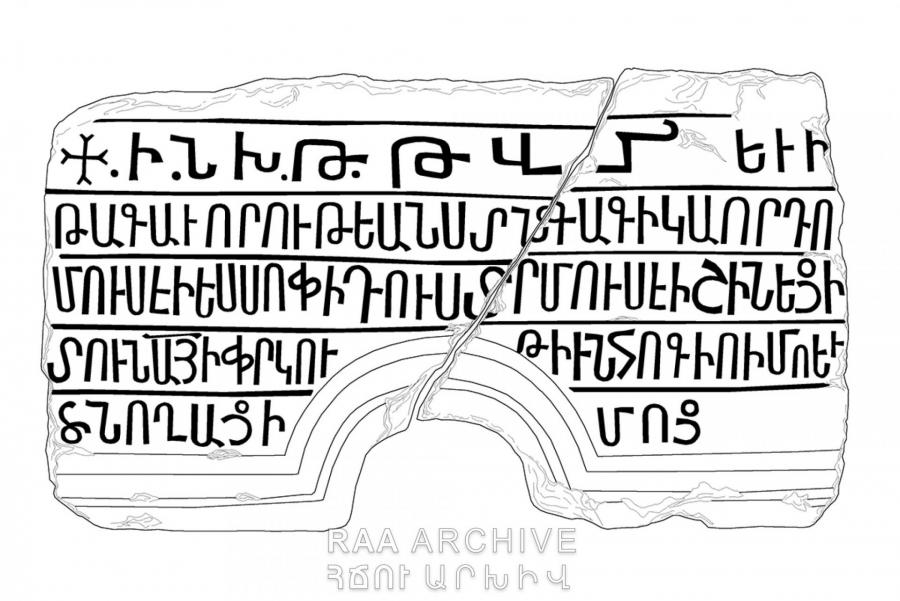
In the 1960s, among the ruins of the church, the crown of the western window was discovered, bearing a construction inscription. According to the inscription, the church was built in the year 1000 by Sopʻi, sister of Prince Gagik2 of Dizak: «Ի ՆԽԹ․ (1000) թվ(ին) Հ(այոց) եւ ի | թագաւորութեանս տ(եառ)ն Գագիկա(յ)՝ որդ(ւ)ո(յ) | Մուսէի, ես՝ Սոփի, դուստր Մուսէի, շինեցի | տուն ա(ստուծո)յ ի փրկութիւն հոգւո(յ) իմո(յ) եւ | ծնողաց իմոց»3(In the year 1000 of the Armenian calendar, during the reign of Lord Gagik, son of Musē, I, Sopi, daughter of Musē, built this house of God for the salvation of my soul and of my parents). In 1965 the window crown with the inscription was transferred to the Stepanakert History and Local Lore Museum by historian Sergey Amirjanyan.
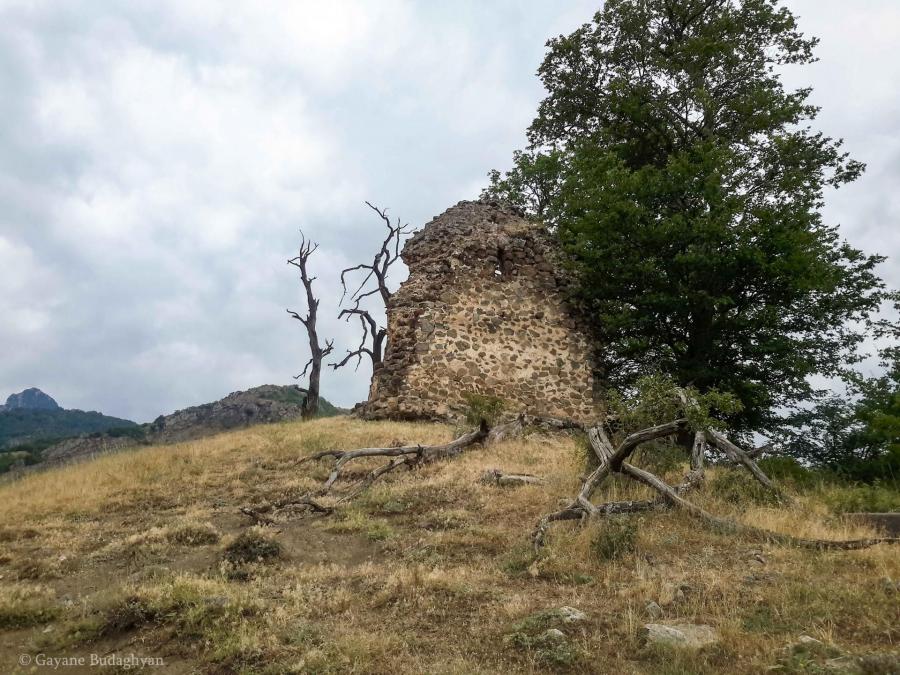
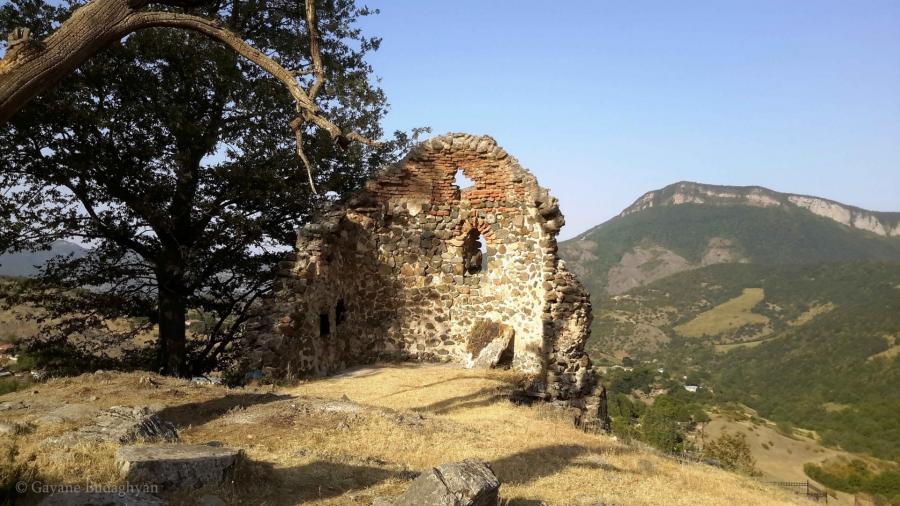
It is a single-nave vaulted basilica with a semicircular apse on the eastern side. The walls are built of roughly hewn, unpolished stones with lime mortar. The vault was constructed with red brick. Of the original structure, only the eastern section with the apse and faint traces of the foundations remain. According to a Google Earth satellite image updated in March 2025, Azerbaijani “excavations” were carried out on the site of the Red Church, revealing the foundations of the church. Measurements of the exposed foundations confirm the data reported by Makar Barkhudaryants. In the apse wall, on the north side, two small rectangular niches are preserved. Inside the apse stands a medieval khachkar, originally part of the cemetery, which was used for sacrificial rituals and candle-lighting. In addition to the Karmir Yeghtsʻi (Red Church), the ruins of a chapel are preserved on Yeghtsʻu Khutʻ hill. The site also contains both medieval and modern cemeteries.
Historical record
Cultural characteristics, period, century (centuries)
Armenian Apostolic Church, 11th century (year 1000). Documents for dating: Justification of the date based on epigraphy.
Based on the construction inscription carved on the crown of the western window. Descriptive-Characterization Report
Building material (type, colour)
Sandstone, brick, lime mortar Building openings: entrances (number, orientation)
Two entrances, west and south sides (according to testimony) Building openings: windows (number, orientation)
Probably two windows, east and west. Only the eastern window and the external crown of the western window are preserved. Structures (load-bearing, roofing)
Vaulted (only the apse vault preserved) Roof (material, type)
Gable roof (not preserved) Dimensions: length
11.5 m Dimensions: width
6.7 m Dimensions: height
6 m in preserved section The condition of the monument before the forced displacement of Armenians
Ruins Value
It is of great significance for the study of the medieval principalities of Artsakh, as well as for the history and spiritual life of the village of Tumi. ----------------------------
1 Barkhudareantsʿ, M., 1895, p. 79. 2 Prince Gagik is also mentioned in the inscription of one of the khachkars of the Chokht Pṛvatsaṛ Monastery in the Martuni region.
3 Abrahamyan, E., 2021
Photos
Sketches
...
Main bibliography
Abrahamyan, E., 2021 – Abrahamyan Emma, «Տումի գյուղի վտանգված պատմամշակութային ժառանգությունը» [«Tumi gyughi vtangvac patmamshakutʿayin žaṛangutʿyuně» (The Endangered Historical and Cultural Heritage of Tumi Village)], Vardzkʿ, 2021, Yerevan, no. 16, pp. 56–72.Barkhudareantsʿ, M., 1895 – Barkhudareantsʿ, Makar, Արցախ [Artsʿakh (Artsakh)]. Bagu, 1895.
Barkhudaryan, S., 1982 – Barkhudaryan Sedrak. Դիվան հայ վիմագրության, Արցախ [Divan hay vimbagrutʿyan, Artsakh (The Corpus of Armenian Inscriptions in Artsakh)], no. 5. Yerevan: Academy of Sciences of the USSR, 1982.
Mkrtchyan, Sh., 1985 – Mkrtchyan, Sh., Լեռնային Ղարաբաղի պատմաճարտարապետական հուշարձանները [Lernayin Kharabakhi patmačartarapetakan hushardzanerě (Historical and Architectural Monuments of Mountainous Karabakh)]. Yerevan, 1985.
.
G.B., S.D.