
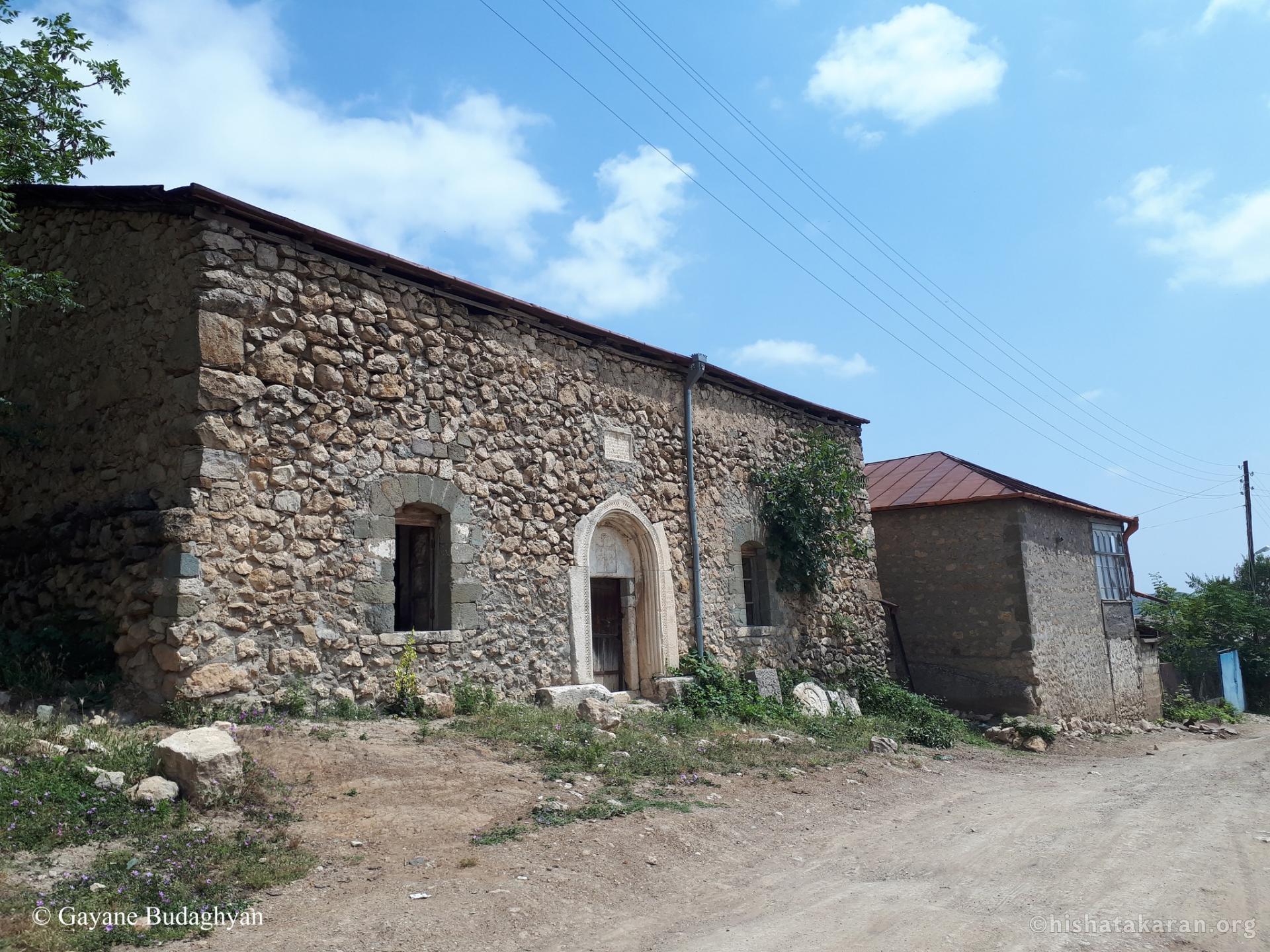
Tsovategh, Surb Astvatsatsin (Holy Mother of God) Church
Monument
Monument type
Church Given name
Holy Mother of God (Surb Astvatsatsin) initial, sequential and current
Constructed in the 17th–18th centuries. Renovated in 1895 and remained in uninterrupted use until the early 20th century. During the Soviet era, it was repurposed for economic use. In the period of independence, it was listed among the state-protected historical and cultural monuments. In September 2023, the village of Tsovategh was seized by Azerbaijan. The current condition of the monument is unknown. Original ownership and affiliation
Village of Tsovategh The name of conservation unit
Church Individually referenced sections (parts) of conservation unit
Church, khachkars (cross-stones) A topographic report
Region (province), community
Greater Armenia, Province of Artsakh, District of Myus Haband; later incorporated into the District and Melikdom of Varanda. Until 2020 – Republic of Artsakh, Martuni Region, Tsovategh. Address
Republic of Artsakh, Martuni Region, Tsovategh Topography
15 km south of Martuni town Distance and location from community
Located in the center of Tsovategh village Site elevation above sea level
900 meters Description
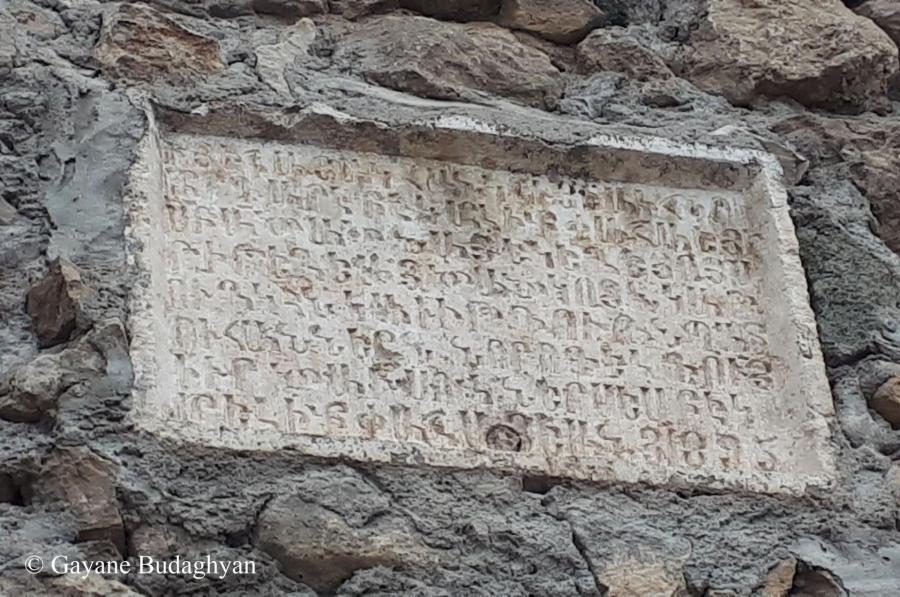
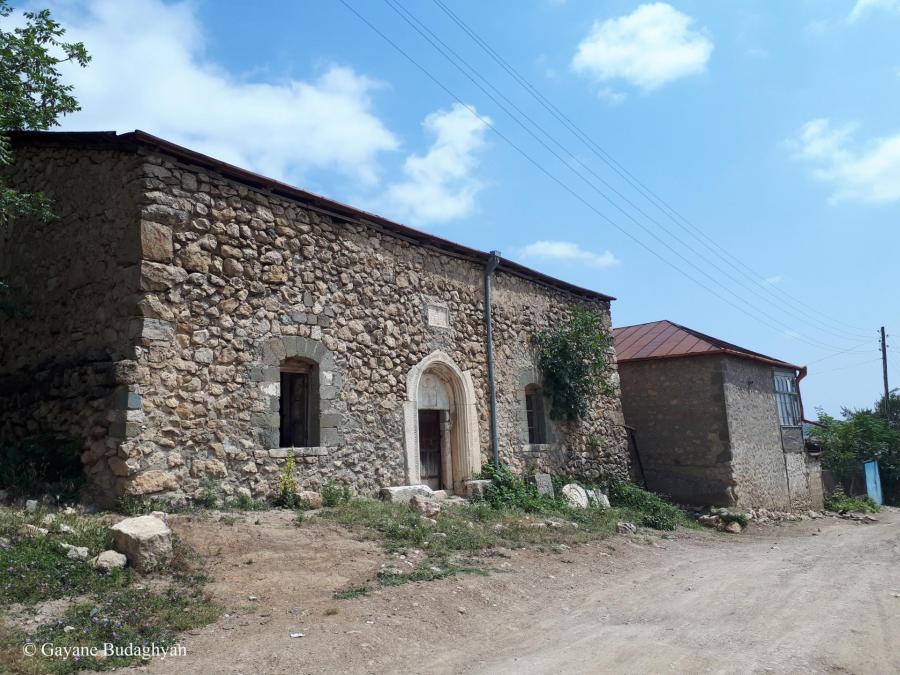
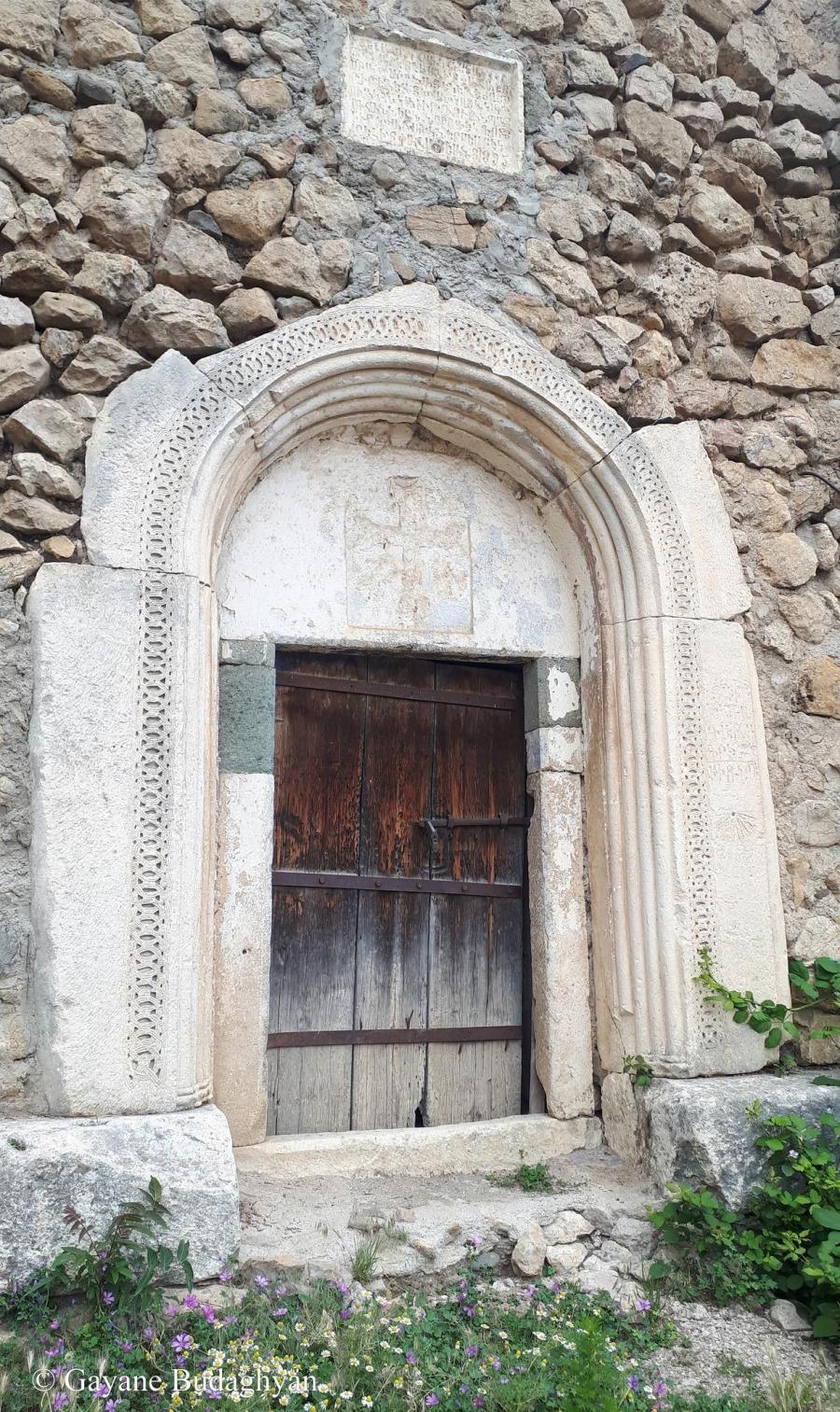
The Holy Mother of God Church is located at the center of the village of Tsovategh, in the Martuni Region. Although no definitive construction date survives, based on certain architectural features and comparisons with stylistically similar churches built in the 17th–18th centuries, the structure is attributed to the same period. The church was renovated in 1895 by Nerses bek Melik-Pashayants, as attested by an inscription embedded above the southern entrance: «Ի յիշատակ հանկուցեալ հօր՝ | Մարգարէ բեկ Մա(ե)լիք Փաշաե[ան]ցի, | Ս[ուր]բ Ա[ստուա]ծածնայ եկեղեցոյս | թիթեղեայ ծածկոցն, կաթ|ուղկէն կաւիթ դուռն, պատ|ուհաններն նորոգել դու[ե]ց | իւր ծախսով Ներսես բէկ | Մելիք Փաշայեանց․ 1895»։
“In memory of the departed father, Margare bek Melik Pashayants, the tin roof, wooden door, and windows of this Holy Mother of God Church were repaired at his expense by Nerses bek Melik Pashayants. 1895.”
Several medieval khachkars are embedded in the church walls or preserved nearby, indicating that the sacred site may date to a much earlier period.
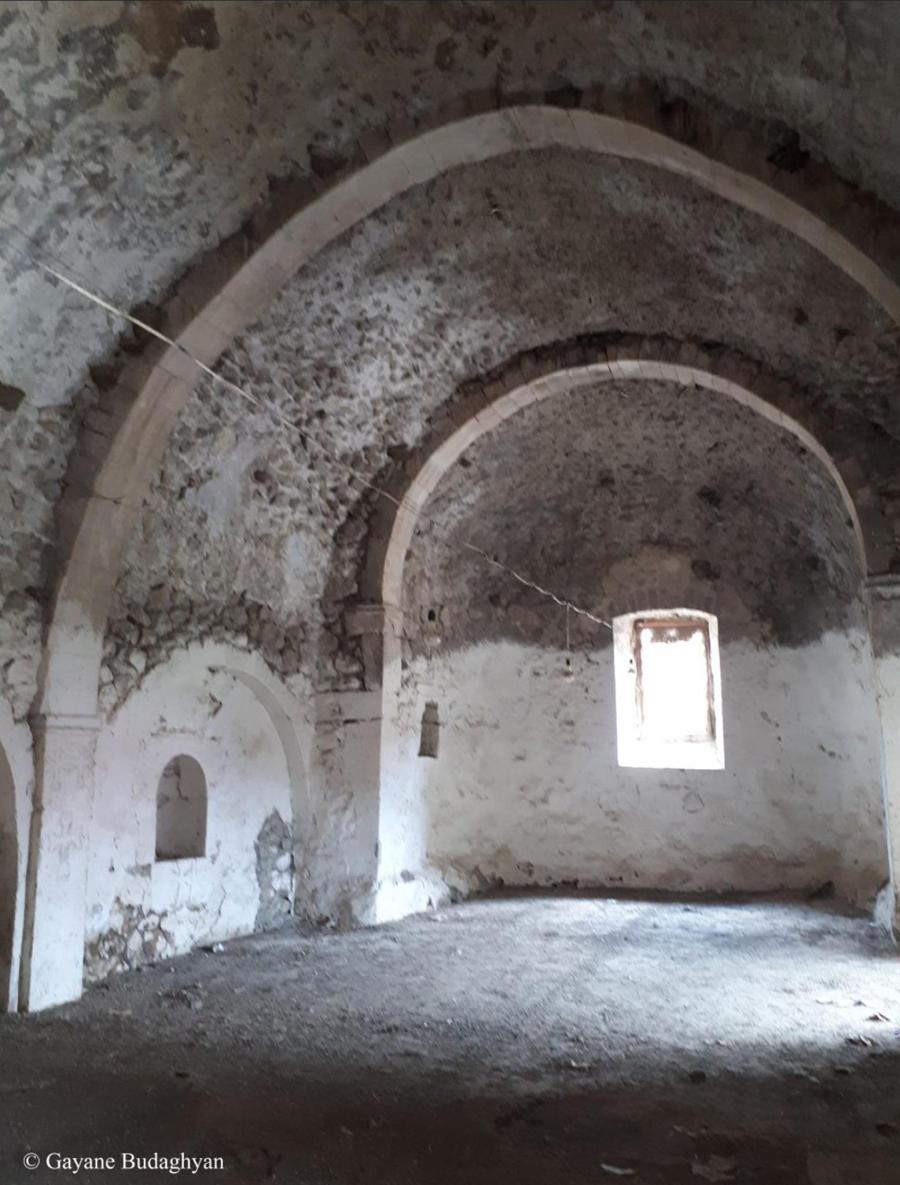
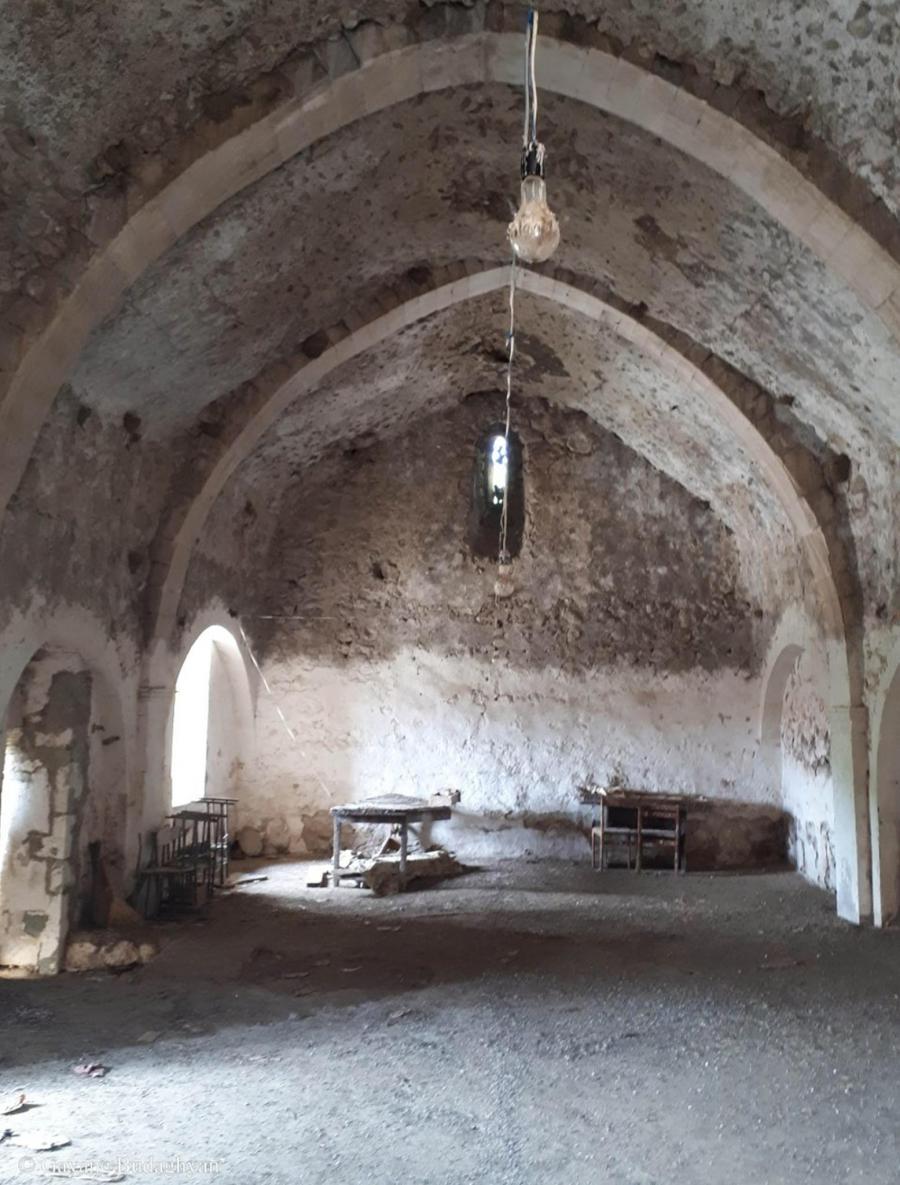
The church is a single-nave vaulted building with a rectangular plan and a semicircular apse. On the north and south walls of the apse are small niches with arched frames. Small-sized khachkars of dedicatory nature were used as jamb stones for these. The church lacks vestries. The altar platform is no longer preserved. On the eastern end of the northern wall, inside an arched niche, is the baptismal font.
The vault is supported by three wall-arches each on the northern and southern walls, resting on pairs of wall piers and pointed arches rising from them.
The main arched southern entrance, built of dressed limestone slabs, is a notable architectural feature, decorated with an ornamental interlace frieze. Remarkably, it is one of the original elements from the 17th–18th century structure that was not altered during the 1895 renovation. The entrance has a four-tiered, semi-cylindrical arch system creating a pronounced spatial depth. Next to the entrance, a five-line inscription is carved:
«Յ[իսու]սի Ք[րիստո]սի | ծառա | Դաւիթս | գրեցի | ի դ(ու)ռն Ս[ուր]բ»։
“Servant of Jesus Christ, I David wrote this on the door of Surb (Holy)…”
Beneath the inscription is a rudimentary sun-dial.
The hall is illuminated by four windows. Of these, only the western window has preserved its original small, inward-widening form. The eastern and two southern windows were enlarged during the 1895 renovation.
Multiple khachkars from the developed and late medieval periods are embedded in different sections of the church walls, both inside and outside, featuring fine carvings.
Historical record
Cultural characteristics, period, century (centuries)
Armenian Apostolic Church, 17th–19th centuries Documents for dating: according to the iconography
Attributed through comparative analysis of architectural and constructional elements Chronological table of monument
Constructed in the 17th–18th centuries; renovated in 1895 Descriptive-Characterization Report
Architectural overview: architectural composition
Constructed in the 17th–18th centuries; renovated in 1895 Building material (type, colour)
Sandstone, limestone, flint, lime mortar Building openings: entrances (number, orientation)
One entrance on the south side Building openings: windows (number, orientation)
Four windows: east, south, and west sides Structures (load-bearing, roofing)
Vaulted, barrel-vaulted roofing Roof (material, type)
Originally covered with clay tiles; metal roofing installed in 1895 Type
Village church Dimensions: length
16.7 meters Dimensions: width
6.5 meters Dimensions: height
5.5 meters The condition of the monument before the forced displacement of Armenians
Average Photos
...
.
G․B․, S․D․