
Patara, Darpasut cemetery-shrine
Monument
Monument type
cemetery-shrine initial, sequential and current
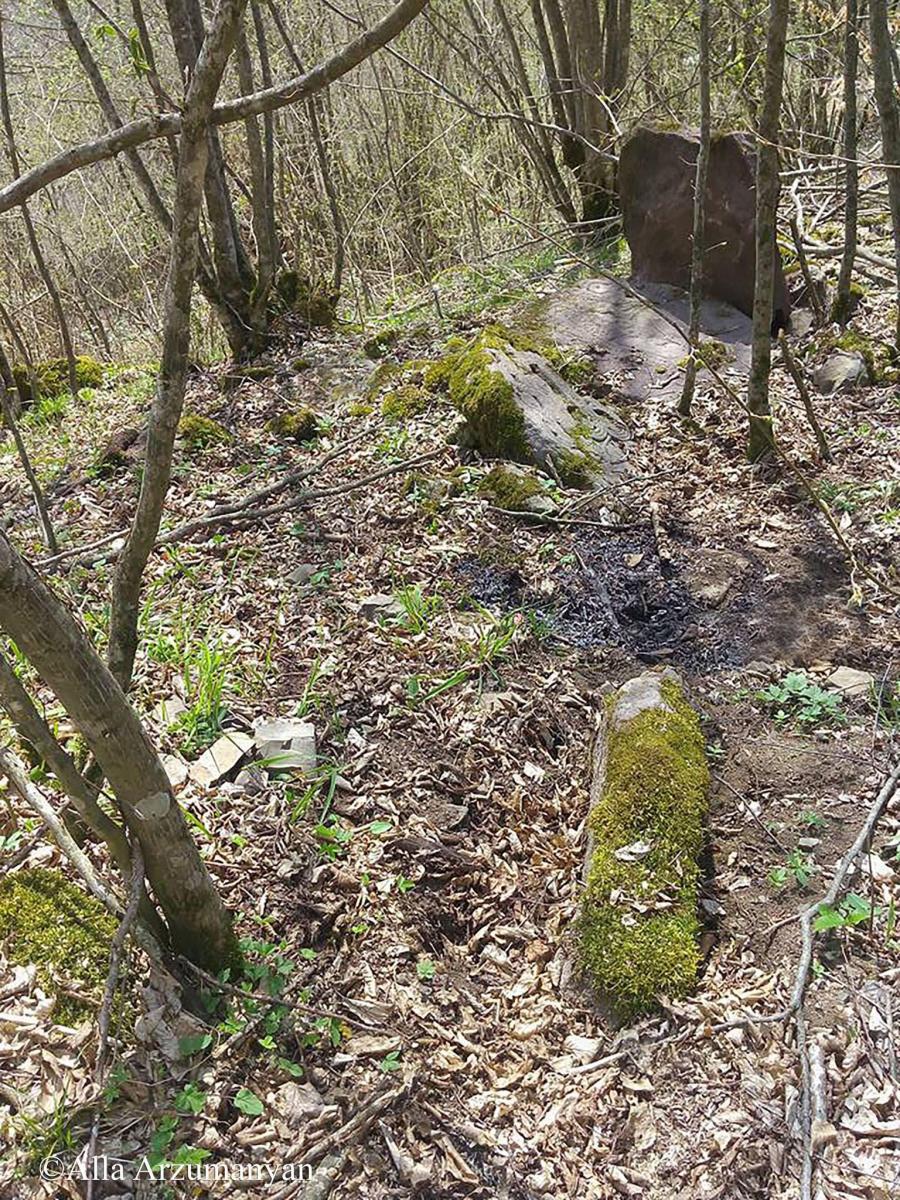
The cemetery was most likely established in the Middle Ages. Over time, the surrounding forest gradually reclaimed the site, and both the tombstones and the leaning khachkars became buried beneath layers of soil.
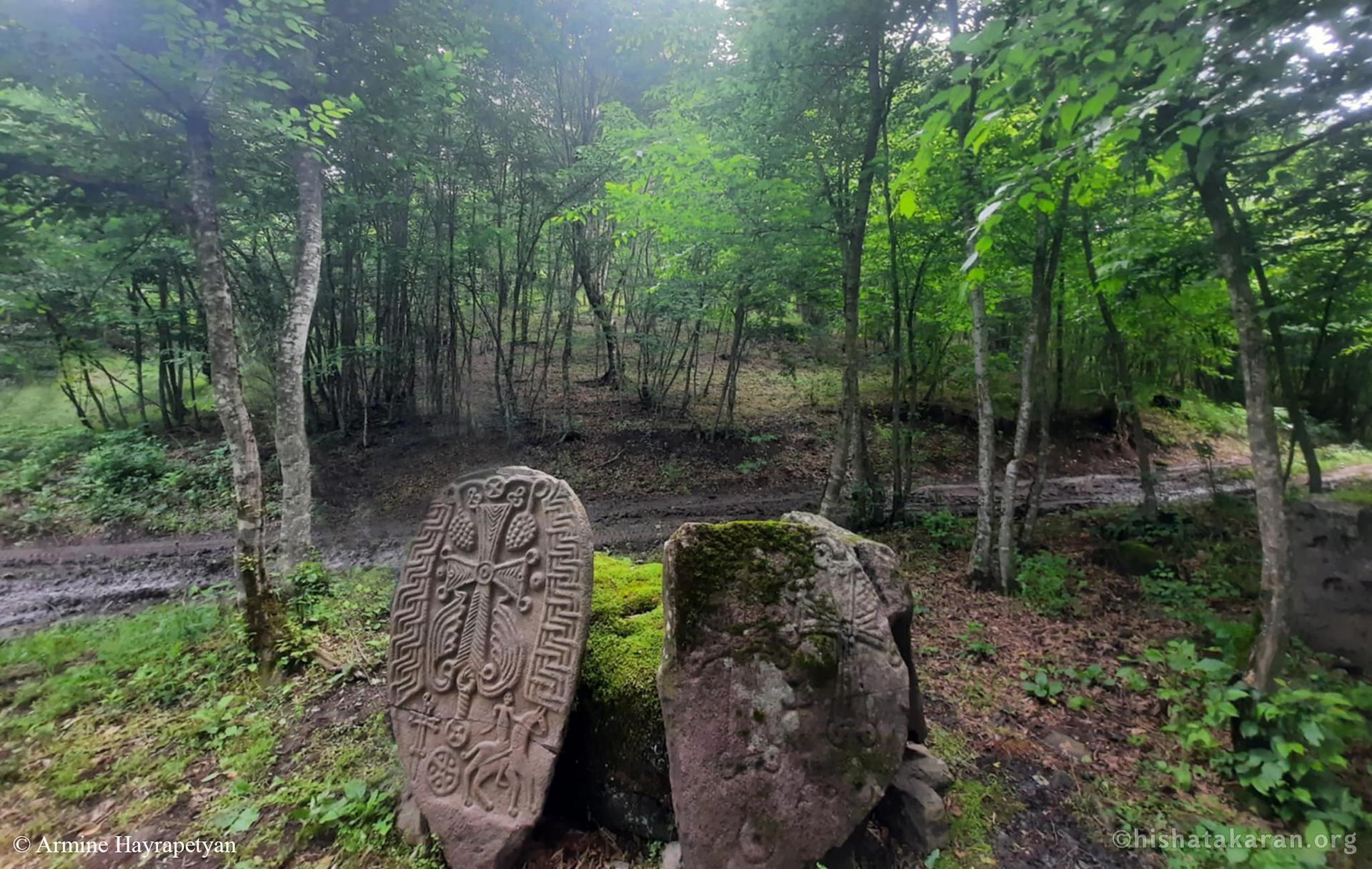
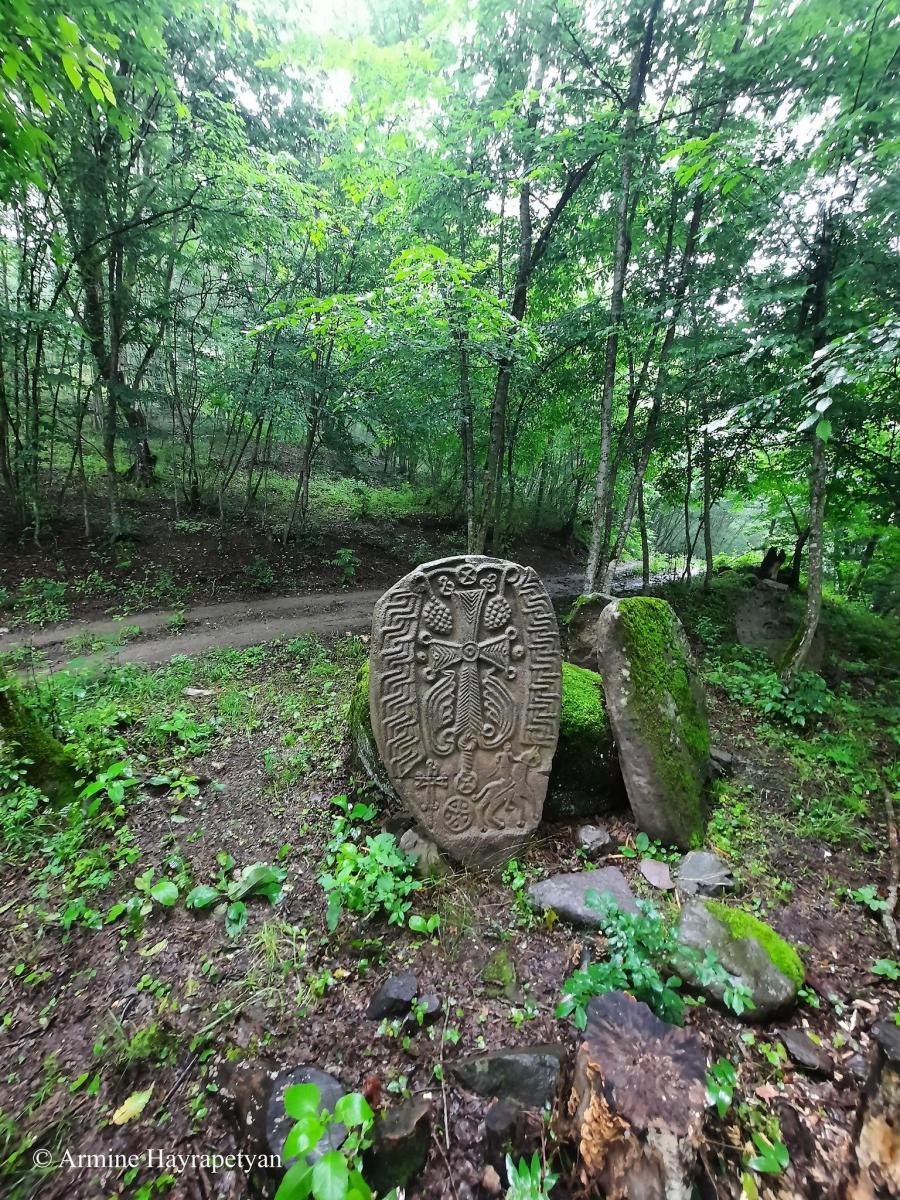
In 2018, four khachkars were discovered and re-erected. Since then, the cemetery space has become a sacred place for the inhabitants of Patara. These rediscovered khachkars date from the 11th to 13th centuries.
In September 2023, the village was occupied by the Azerbaijani army. No information is currently available regarding the condition of the monument.
Original ownership and affiliation
Former settlement of Darpas (Darpasut) The name of conservation unit
Cemetery Individually referenced sections (parts) of conservation unit
Khachkars A topographic report
Region (province), community
Greater Armenia, Province of Artsakh, District of Harchlank (later known as Khachen); until 2020, Republic of Artsakh, Askeran District, Patara (also known as Ptretsik)
Address
Republic of Artsakh, Askeran District, Village of Patara (Ptretsik) Topography
Republic of Artsakh, Askeran District, Village of Patara (Ptretsik) Distance and location from community
The site is situated approximately 5 km southwest of the village of Patara and 1 km southwest of the more recently established settlement of Lesnoy.
Site elevation above sea level
Approximately 1,000 meters above sea level. Hydrography
Situated on the left bank of the Patara River. Description
Approximately 568 meters northeast of the Darpasut Monastery in the village of Patara, Askeran district, along the road leading from Patara to Darpasut, lies a medieval cemetery with khachkars (cross-stones). Over time, the forest gradually overtook the site, and the tombstones and khachkars were almost entirely buried beneath the soil.
In 2018, staff from the Askeran Regional Service for the Protection of the Historical Environment carried out cleaning work at the site. During this process, four khachkars were uncovered from beneath the earth and trees. They were cleaned and re-erected. Since then, the site has become a sacred place for the residents of Patara.
Historical record
Cultural characteristics, period, century (centuries)
Kingdom of Khachen, Armenian Apostolic Church, 11th–13th centuries. Documents for dating: Justification of the date based on epigraphy.
Based on the stylistic and artistic features of the preserved khachka
Chronological table of monument
11th to 13th centuries.
Chronological table of research on the monument (period, author, works)
The area of the Darbasut settlement has not been sufficiently studied. Historical and scientific data about the area are scarce.
At the beginning of 2018, employees of the Askeran District Service for the Protection of the Historical Environment discovered the archaeological site.
In 2019, the State Service for the Protection of the Historical Environment of the Ministry of Education, Science, Culture and Sports of the Republic of Artsakh conducted field studies at the monument site. Newly discovered khachkars were documented and measured.
Descriptive-Characterization Report
The condition of the monument before the forced displacement of Armenians
Average Value
The khachkars discovered at the site are unique examples of medieval khachkar art in Artsakh, notable for both their artistic style and iconographic design. From a historical and cultural perspective, they are of considerable importance for the study of the former Darpasut settlement, which was part of the Principality of Khachen, as well as for understanding the broader tradition of khachkar carving in the Artsakh region. ----------------------------
Photos
...
.
A․H․, S․D․