
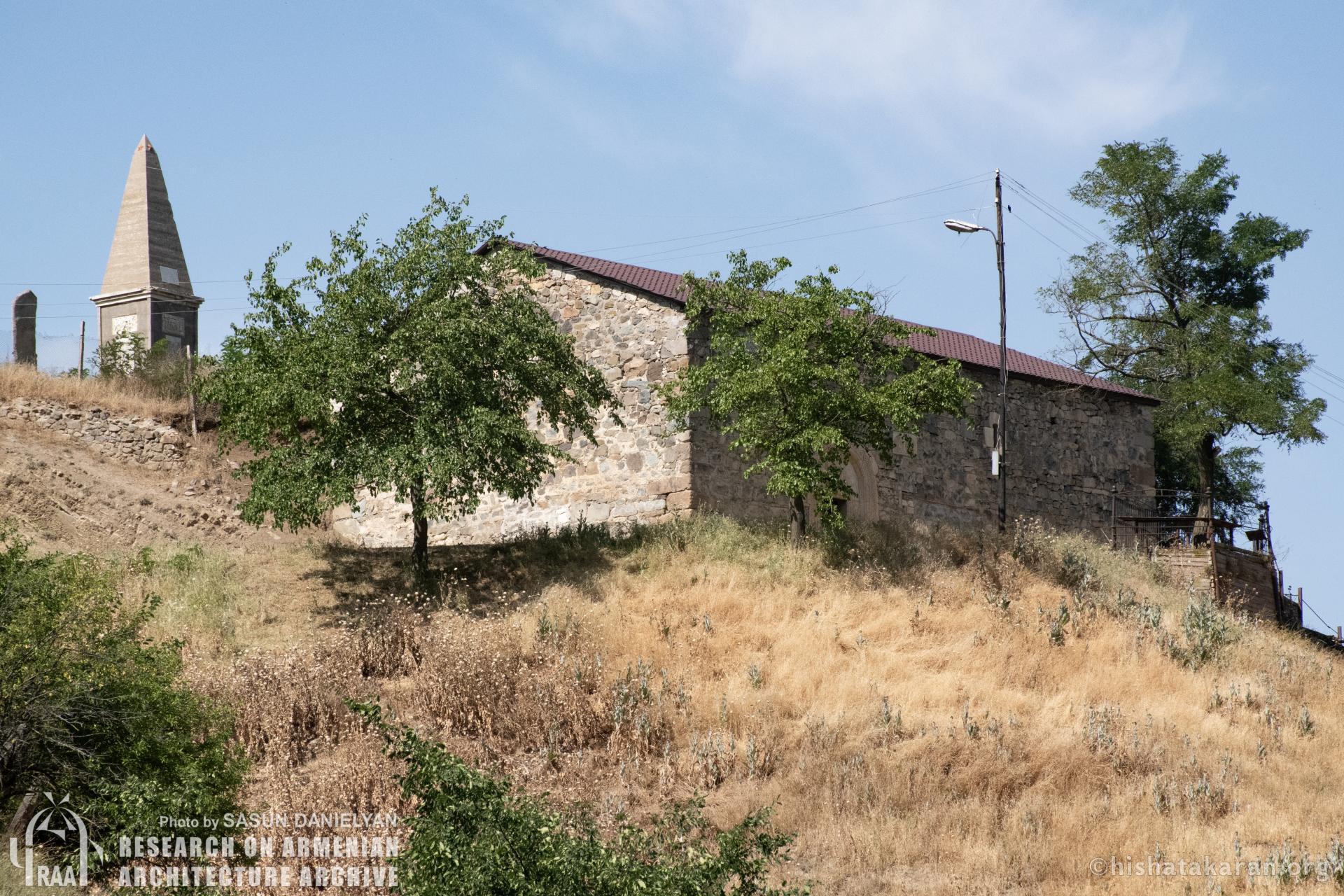
Kyuratagh [K‘yurat‘agh], Surb Astvatsatsin (Holy Mother of God) Church
Monument
Monument type
Church Given name
Surb Astvatsatsin (Holy Mother of God) Other names
In documents from 1841-1844, there is a mention of the name Surb Hovhannes (Saint John). initial, sequential and current
It was built in 1683 and functioned until the early 20th century. In 1927, the building was converted into a cultural club. Later, it was used as a warehouse. In 2012, the church was renovated and reconsecrated.
The name of conservation unit
Church Individually referenced sections (parts) of conservation unit
Church, khachkars, cemetery, tombstones
A topographic report
Region (province), community
It was part of the historical region of Artsakh in Greater Armenia, specifically the province of Myus Haband, and later included in the Dizak province and the corresponding principality. Until 2020, it was located in the Hadrut region of the Republic of Artsakh.
Distance and location from community
It is located in the southwestern part of Kyuratagh [K‘yurat‘agh] village.
Site elevation above sea level
It is 717 m above sea level. Hydrography
It is located in the Ishkhanaget River basin, 4.16 km south of the river. Description
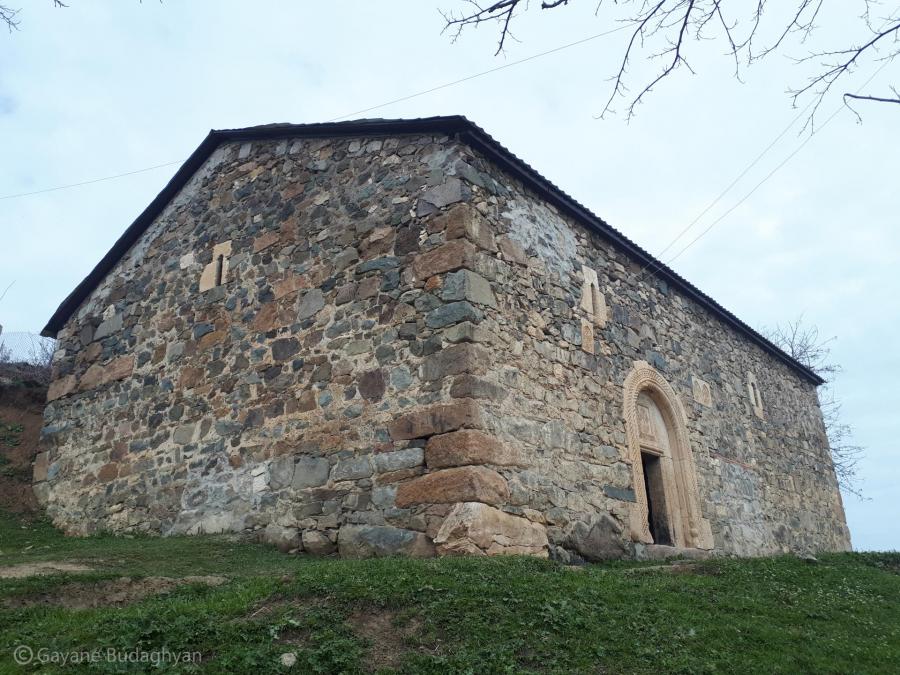
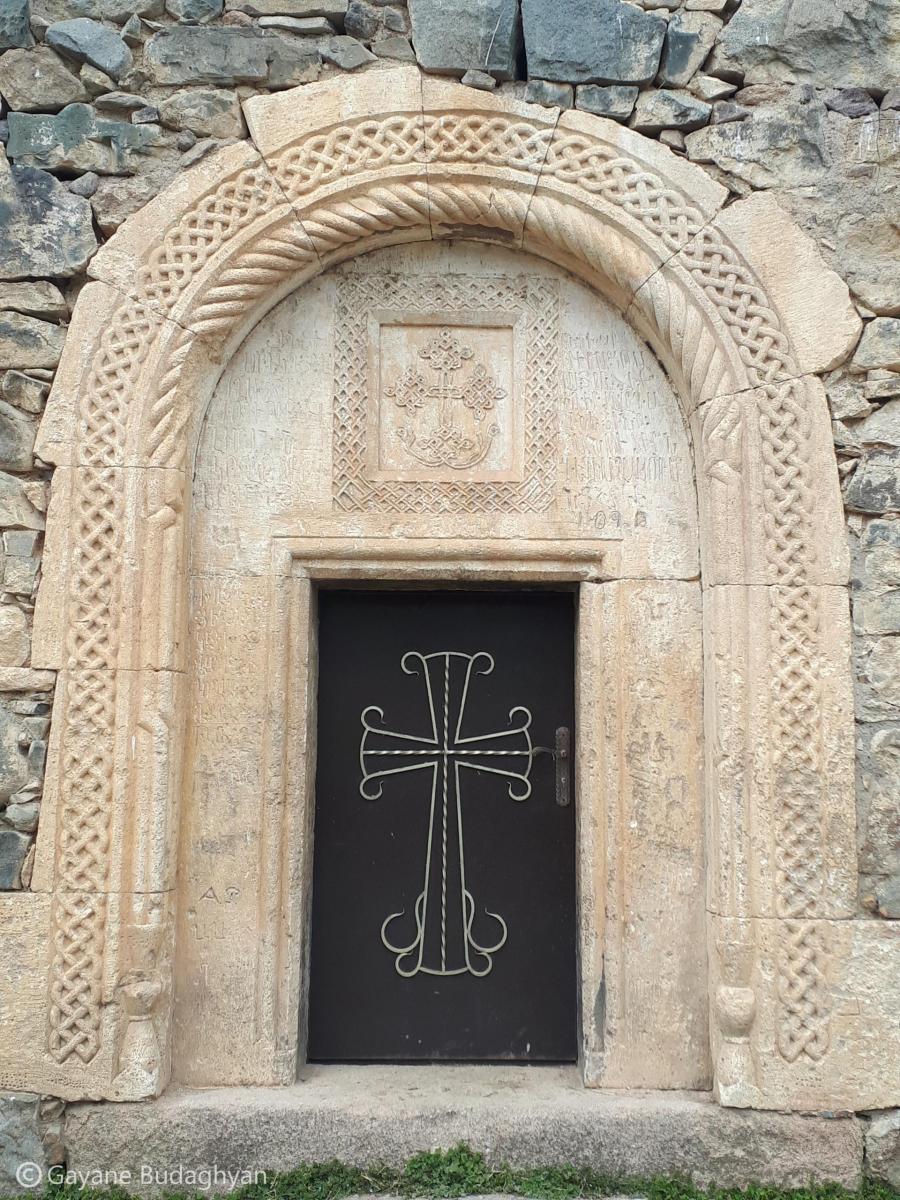
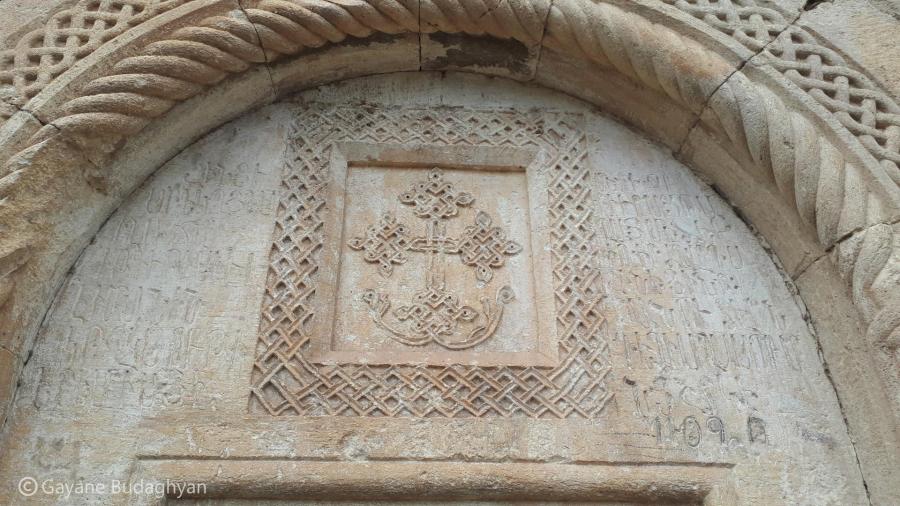
The Church Surb Astvatsatsin (Holy Mother of God) is located on the southern edge of Kyuratagh [K‘yurat‘agh] village, on the sloping side of an elevated promontory. According to the construction inscription on the entrance lintel, the church was built in 1683 during the tenure of Catholicos Yeremia. It was constructed by the residents of Kyuratagh [K‘yurat‘agh] in memory of the village"s landowner (tanuter), Ghasum: "Շին(ե)ց(ա)ւ ս(ուր)բ եկ(ե)ղ(ե)ցիս | թվ(ին) ՌՃԼԲ (1683) | ի թ(ա)գ(ա)ւ(որու)թե(ան) Սիւլ|էմանին, կ(ա)թ(ո)ղիկ(ո)սութե(ա)ն Երեմիայի։ | Մեք Խօր|քիւրաթա|ղայ մեծ եւ | փոքր ժ(ո)ղ(ո)վ(ո)ւրդս շինեցինք։ Տանուտէրն | գեղիս Ղասումի|ն յ(ի)շ(ա)տ(ա)կ է»"1 (The construction of this holy church | in the year 1683 | during the tenure of the Catholicos Yeremia. | We, the great and small people of Kyuratagh, | built it in memory of the village landowner Ghasum).
In documents from 1841-1844, the church is mentioned by the name Saint John2.
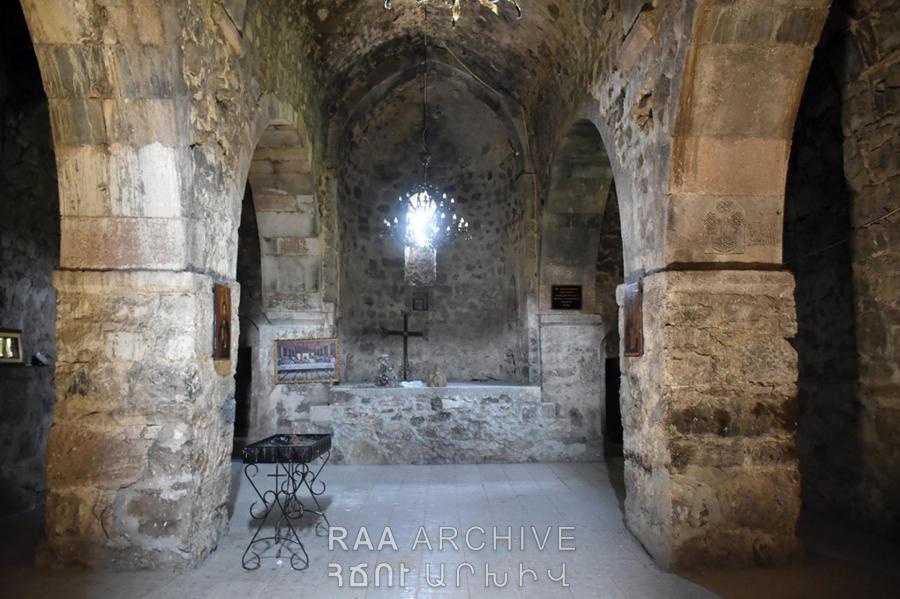
The structure is a three-aisled hall with a rectangular floor plan, featuring a semicircular apse and two chapels on the east side. The apse’s northern and southern walls have arched niches. The vault rests on arches supported by two pairs of columns. In the northern wall, within a niche with a three-arched top, is the baptismal font. The entrance is from the south and is distinguished by a beautiful arched porch made of tawny yellowish-white limestone. This porch is notable for its arch-enhanced, braided, and patterned double bands. To the left of the entrance is a seven-line inscription: "Խաչկալս | յիշատա|կ է Խօջա | Վարդանի | կողակից | Ղզըլին, | թվ(ին) ՌՃՂԲ (1743)"3 The Cross-bearer (Kachkal) | in memory of | Khoja Vardan"s | spouse Ghězl, | in the year 1743).
Above the entrance, on the lintel, within a wide, intricately woven square frame, is a beautiful cross-carving representing a 17th-century style of khachkar art. The cross is completely adorned with floral motifs, featuring broad floral ends on the arms. From the base of the cross, there extend long stems to the right and left. On either side of the cross-carving is the previously mentioned construction inscription from 1683. Similar ornate entrances can be found in several monuments built during the same period, including the Church of the Holy Mother of God in Tsakuri [Tsakuṛi, Surb Astvatsatsin], the Church of the Holy Mother of God in Old Taghaser [Hin Tʻaghaser, Surb Astvatsatsin], and the Ghshavank [Ghshavankʻ] Monastery in Chartar.
The church is illuminated by six windows extending inward: one on the west, two on the south, and three on the east walls. The lower parts of the windows on the south wall feature small niches. The main structure of the building is constructed from rough and semi-dressed stones. The arches, cornices, and the molding and edge stones around the openings and niches are finely dressed.
The church"s walls are adorned externally and internally with earlier period khachkars, as well as with later medieval inscribed and uninscribed khachkars and cross-carvings of a commemorative nature. Notable is a large, intricately carved khachkar used as an internal lintel above the entrance inside the church, as well as another medieval khachkar with woven borders and vine motifs, which is set on the south-facing wall to the right of the baptismal font.
On the western face of the arch connecting the right side of the apse to the southern column, the following inscription is carved: "Յ(ի)շ(ա)տ(ա)կ է ս(ուր)բ, | Քզլաղ|էն(՞), խ(ա)չս"4 (The holy cross is in memory of K‘zlagh ?).
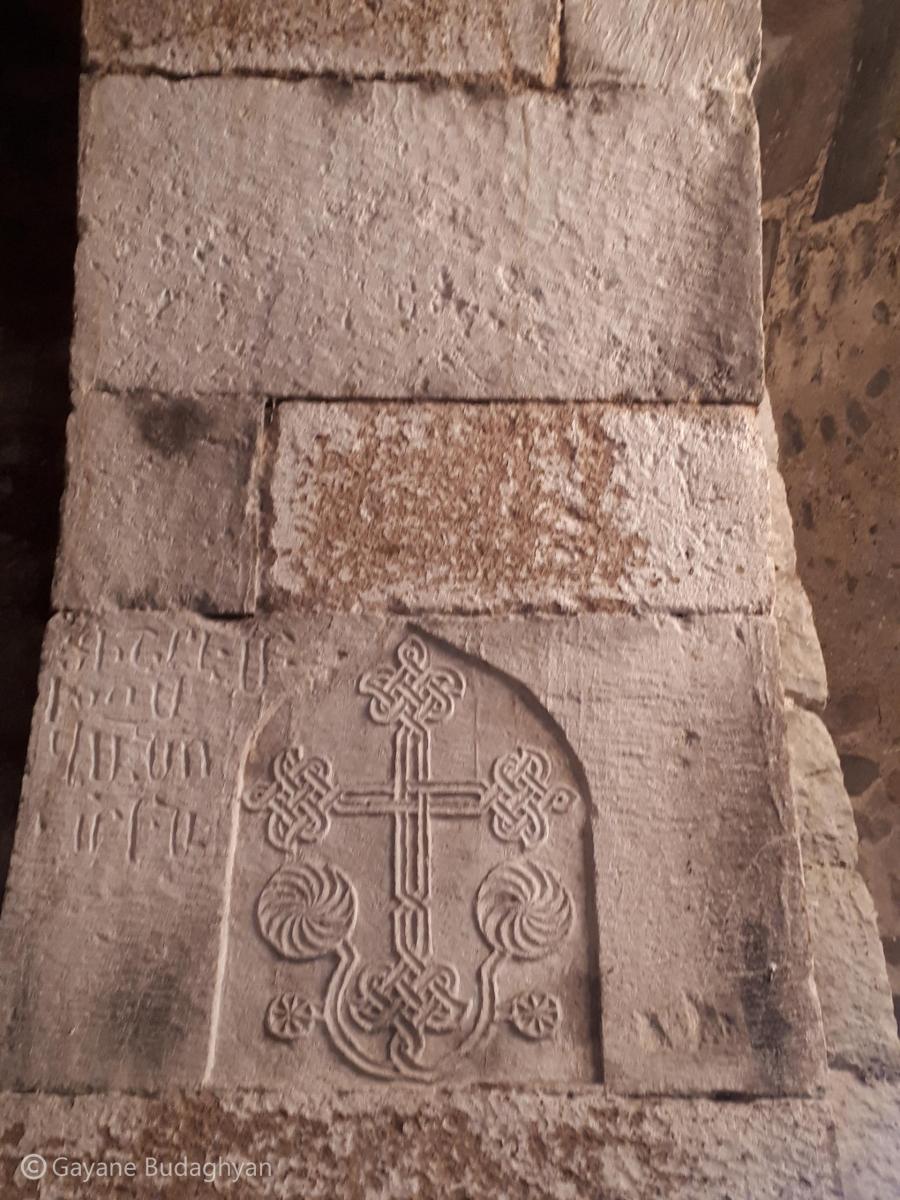
On the curved surface of the arch connecting the left side of the apse to the northern column, beneath a pointed niche, is an intricately carved cross relief. At the upper left corner of this cross, the inscription reads: "Յիշ(ա)տ(ակ) է ս(ուր)բ | խ(ա)չս | Վանո(ւ)|մին"5 (The holy cross in memory of Vanum).
The iconography of the cross relief is notable for its design. The central cross is entirely adorned with floral motifs and has broad floral ends. From the base of the central cross, long stems extend to the right and left, each crowned with a rosette symbolizing eternity (the rosette on the left is twisted). Also noteworthy is the presence of wheels attached to the right and left stems, which represent the cross-throne on which Emmanuel climbed and controlled it, took the captives and paved the way to Eternity6.
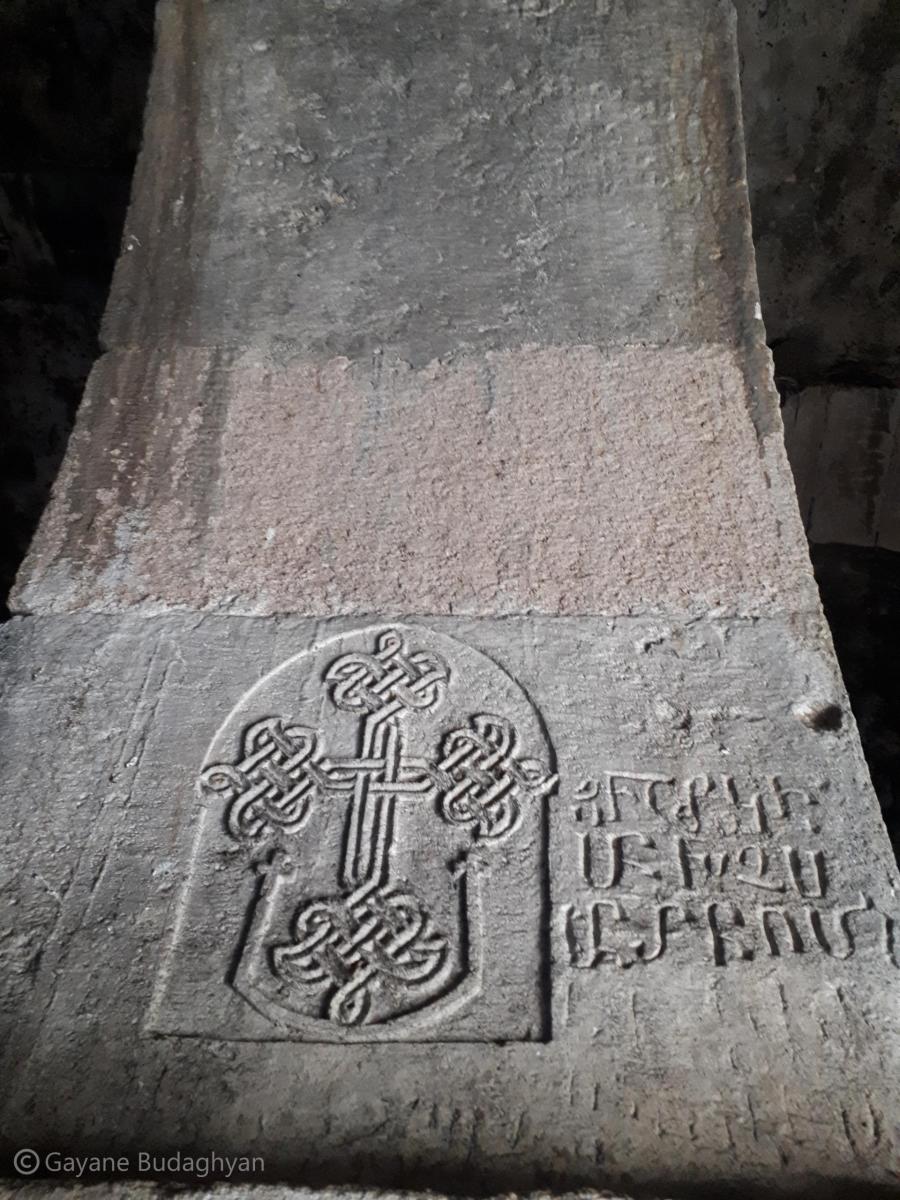
A similar design is found on the lower part of the western face of the arch connecting the southern column to the southwestern wall, beneath a semi-circular niche, featuring a woven cross carving. Here, the stems extending from the base of the central cross are crowned with small crosses. On the right side of the design is the inscription: "Յիշ(ա)տ(ա)կ է | ս(ուր)բ Խ(ա)չս | Մարտիրոս(ի)ն"7 (The holy cross is in memory of Martiros).
All other khachkars are built into the outer walls of the church as an artistic decoration and a frame crowning the windows.
The cemetery is located on the north side of the church.
During the Soviet era, when the church was used for economic purposes, the interior was modified; a new entrance was opened to the right of the main entrance. In 2012, with financial support from Armen Davtyan, an Armenian living in Russia, the church was restored. A plaque regarding this restoration was placed on the lower part of the arch connecting the right side of the apse to the southern column. The building’s original appearance was restored, and the partially preserved slate roof was replaced with metal sheeting.
Historical record
Cultural characteristics, period, century (centuries)
Armenian Apostolic Church, 17th century
Documents for dating: Justification of the date based on epigraphy.
According to the construction inscription
Chronological table of monument
It was built in 1683 and remained in use until the 20s of the 20th century. From 1927 it was used as a country club and then as a warehouse. It was renovated in 2012 and functioned as a church until 2020. October. Since October 2020, Kyuratagh [K‘yurat‘agh] village has been occupied by Azerbaijan. There is no information about the state of the monument.
Chronological table of research on the monument (period, author, works)
The Church Surb Astvatsatsin (Holy Mother of God) is mentioned in the work "Artsakh" by the ethnographer and folklorist Bishop Makar Barkhudaryants (1895).In 2022, an article titled "Monuments of K‘yurat‘agh Village" by Emma Abrahamyan was published in issue 17 of the "Vardzk‘", journal of the RAA Foundation, which discusses several architectural and epigraphic details of the church.
Descriptive-Characterization Report
Architectural overview: architectural composition
It is a three-nave vaulted hall with a rectangular floor plan, featuring a semi-circular apse and two side chambers on the eastern side.
Building material (type, colour)
Schist, flint stone, limestone, lime mortal
Building openings: entrances (number, orientation)
It has a single entrance on the southern side.
Building openings: windows (number, orientation)
There are six windows: three opening onto the eastern facade, one onto the western facade, and two onto the southern facade.
Structures (load-bearing, roofing)
Barrel-vaulted, with a vaulted ceiling
Roof (material, type)
The church was originally covered with slate. During the 2012 restoration, the deteriorated roof was replaced with metal sheeting.
Methods of construction (processing of construction material, masonry, size, type, cladding)
The church was constructed using rough and unhewn stones. The cornerstones and the foundation stones are large slabs, while the frames of the openings, the pilasters, and the arches are made of finely dressed limestone.
Finishing and decoration
More than a dozen inscribed and uninscribed khachkars of a commemorative nature are embedded in the church’s walls, both inside and outside. The church"s elegance is further enhanced by its ornate entrance, adorned with intricate decorative carvings.
Type
Village church Dimensions: length
13,4 m Dimensions: width
9,6 m Dimensions: height
7,2 m The condition of the monument before the forced displacement of Armenians
Good Value
It holds significant importance for the study of the history and spiritual life of Kyuratagh [K‘yurat‘agh] village. The Church Surb Astvatsatsin (Holy Mother of God) is one of the finest examples of 17th-century church architecture in Artsakh. ----------------------------
1Abrahamyan Ē․, K‘yurat‘agh, ( Kyuratagh) Vardzk’, № 17, Erevan, 2022, p. 61.
2Idem, p. 58
3Idem, p. 61
4Idem, p. 63
5Idem, p. 61
6See, Matenagrowt’iwnk’ Naxneats’. Koriwn Vardapeti, Mambrēi Vertsanoghi ew, Dawt’i Anyaght’i Matenagrowt’iwnk’, Venetik, Sowrb Ghazar, 1833, p. 107։
Dawit’ Anhaght’, Nerboġ astvatsěnkal Sowrb Xach’in. «․․․․Ապաքէն զի յամենայն կոյս ուղիղ զհայեցուածսն կալցի. քանզի քառադէմ ապաքէն ասի և կառքդ. որպէս և քառառաջէ այս կառք խաչակառք, յորում Էմմանուէլն բարձրացեալ, կառավարելով ստուգապէս աւարումն գերելոցն արար»։
7Abrahamyan Ē․, 2022, p. 61.
Measurements

Kyuratagh [K‘yurat‘agh], Surb Astvatsatsin (Holy Mother of God) Church
Measurement: Manvel Sargsyan
Photos
Sketches

