
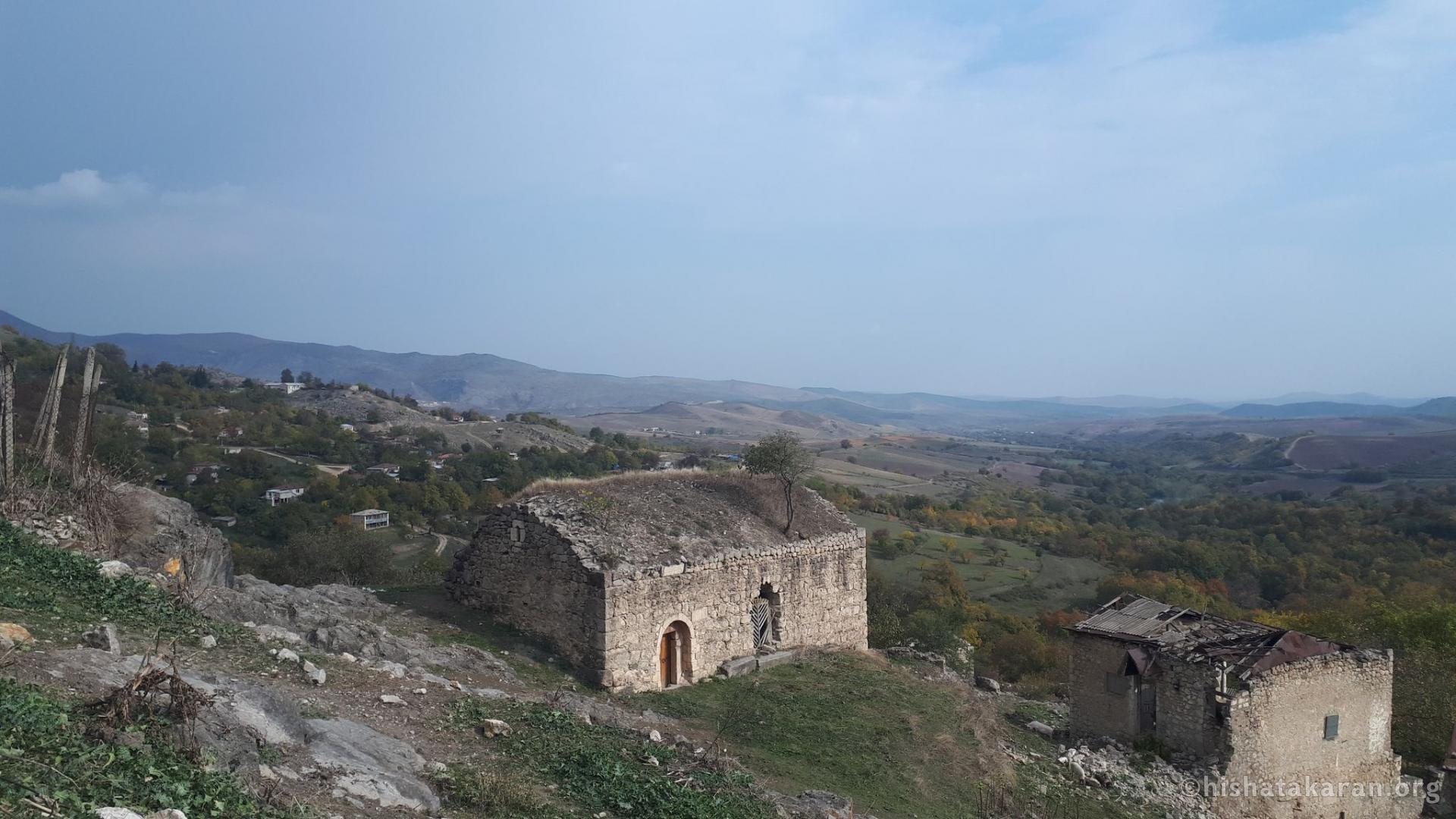
Photo by Gayane Budaghyan
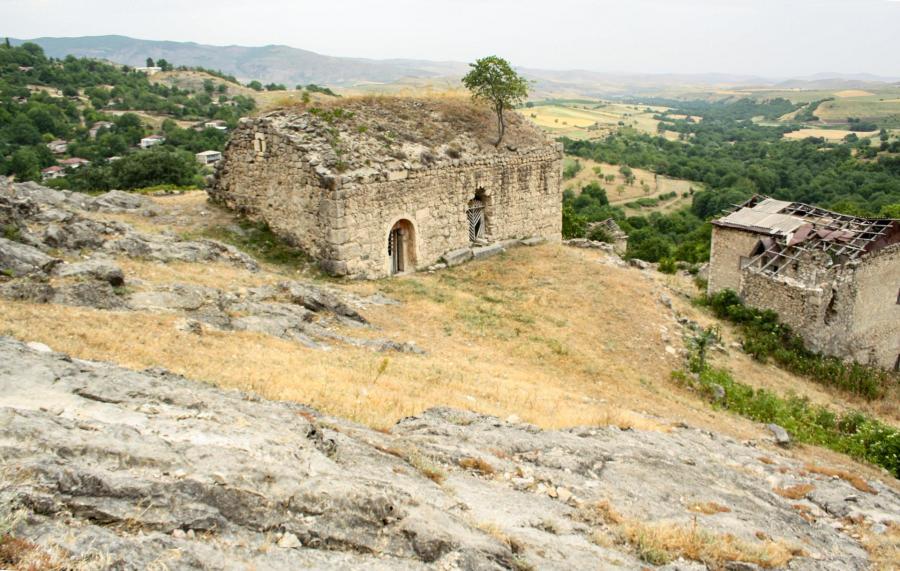
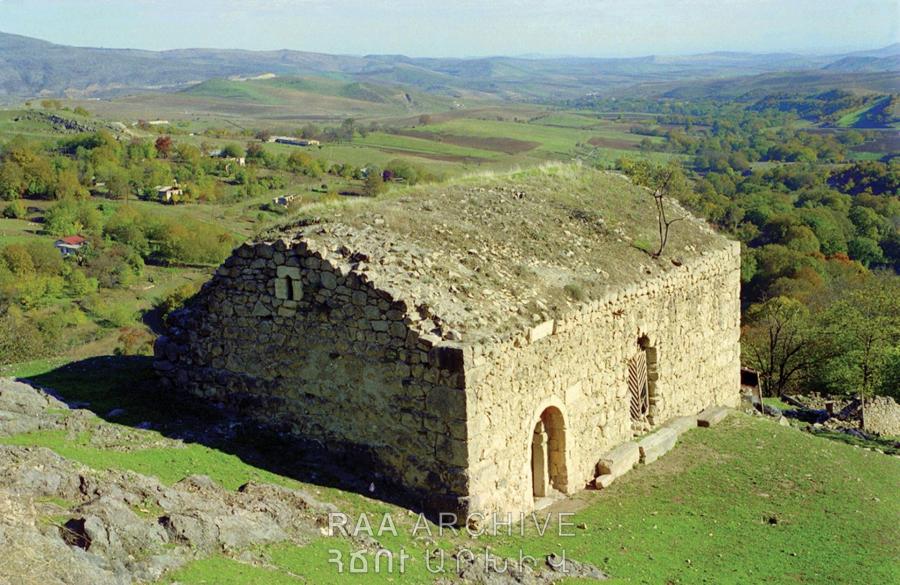
Taghot [Tʻaghot], Surb Hovhannes (Saint John) Church
Monument
Monument type
Church Given name
Surb Hovhannes (Saint John) initial, sequential and current
The exact date of the church"s construction is unknown. In the area, there are tombstones dating back to the first half of the 18th century. The church has been mentioned in bibliographic sources since 1841 and functioned until the 1930s. During the years of independence, it once again became a sacred place for the people of the village of Taghot [Tʻaghot].
The name of conservation unit
Church Individually referenced sections (parts) of conservation unit
Church, khachkars, tombstones
A topographic report
Region (province), community
It was part of the historical region of Artsakh in Greater Armenia, specifically the province of Myus Haband, and later included in the Dizak province and the corresponding principality. Until 2020, it was located in the Hadrut region of the Republic of Artsakh.
Distance and location from community
It is situated on the rocky mountain branch at the northwestern edge of Taghot [Tʻaghot] village. Site elevation above sea level
It is 833 m above sea level. Hydrography
It is located 150 meters south of a tributary of the Ishkhanaget River, called Tʻaghot. Description
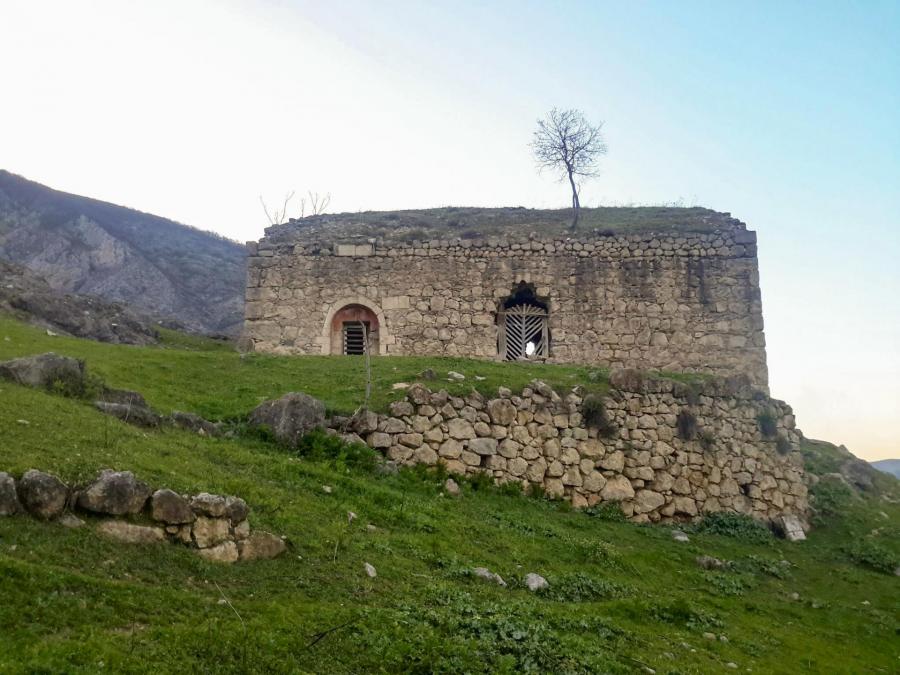
The Church of Surb Hovhannes (Saint John) is located at the northern edge of Taghot [Tʻaghot] village. The exact date of the church’s construction is not known, but it has been mentioned in written sources since 1841. The names of Taghot [Tʻaghot] clergy have also been preserved in bibliographic records1: Melikʻset Ter-Harutʻyunyan Movses-Vardanyantsʻ (1817-1844), Hakob Arzumanbekyan-Ghazarbekyan (1848-1893), and Movses Ghazarbekyantsʻ (1909-1910)2.
Two inscribed tombstones have been preserved near the southern wall of the building. One of them belongs to the son of the village"s parish priest, Ter Melikʻsetʻ, named Ter Kʻaspar3. According to the inscription, it was carved in 1741. «Այս է տապան տ(է)ր Միլիքսէթ(ի) որդ(ի) տ(է)ր Քասպարին թվ(ին) ՌՃՂ (1741)»4:
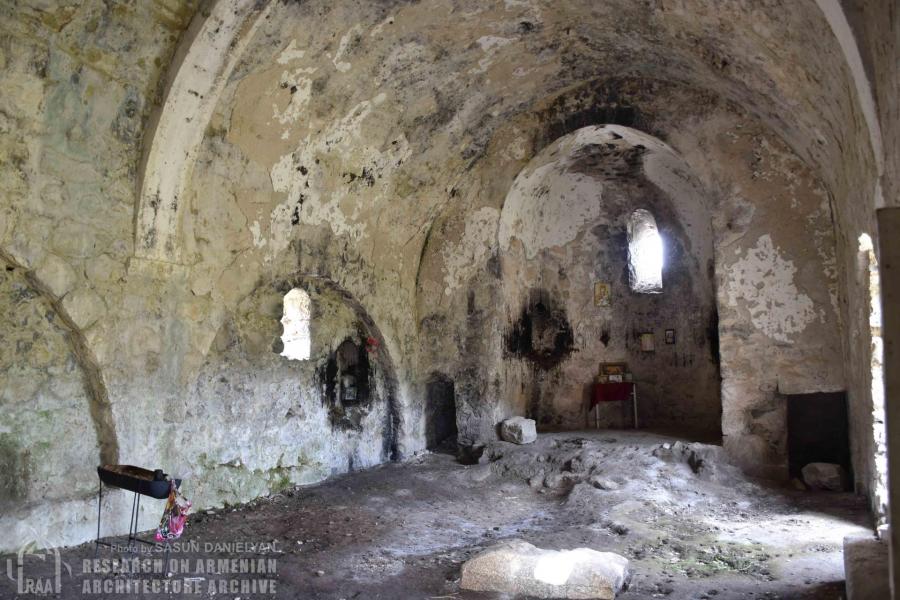
The church is a single-nave rectangular hall featuring a semi-circular apse on the eastern side and two side chambers. The altar (bem) has not been preserved. There are two small arched niches in the northern and southern walls of the apse. The barrel-vaulted roof rests on the northern and southern walls, from which pairs of supporting arches originate at the intersection of the wall’s arches. On the northern wall, within an arched niche, is a baptismal font. Inside the church, fragments of a broken khachkar (cross-stone) have been preserved, though unfortunately, the original location of the monument is unknown.
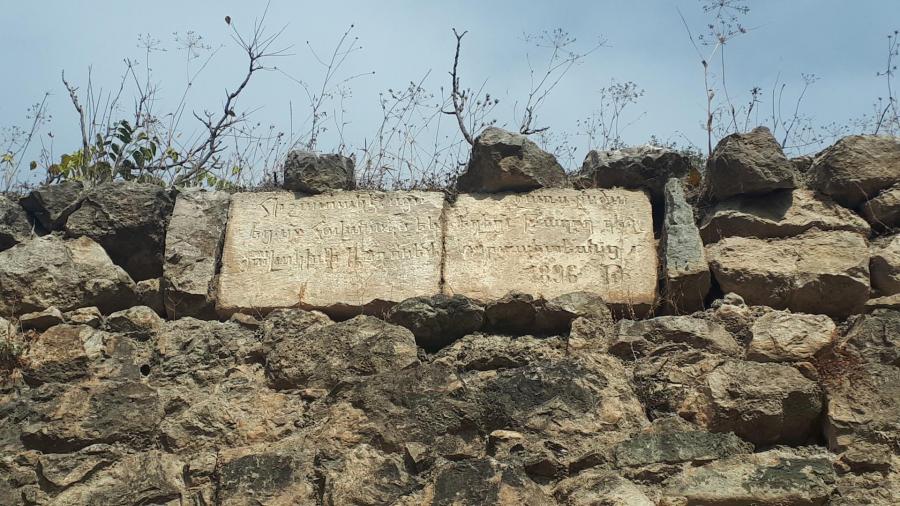
The church is constructed from local semi-dressed and rough stones, with only the arches, openings, and the rim of the arched baptismal font being finely dressed. On the southern façade of the church, above the entrance, there is a rectangular stone with a donor’s inscription. The inscription reads: «Հիշատակ է այս ․․․ ընծա(յ)|եց Սուրբ Հովհաննէս եկեղեցի Թաղոդ գէղջ | Յովակիմի Անդոնե(ա)ն Կարապետեանց | 1886»5։
The only entrance is located on the western side of the southern wall. The church is illuminated by six windows that widen towards the interior: three on the eastern façade, and one each on the western, northern, and southern façades. During the Soviet era, the southern window was significantly enlarged. The original roof was tiled but has not been preserved. In addition to the aforementioned two inscribed tombstones, several uninscribed gravestones have also been preserved under the southern wall of the church.
During the Soviet era, the church was used for economic purposes. After independence, the residents of Taghot [Tʻaghot] village cleaned it, and Surb Hovhannes (Saint John) Church once again became a place of worship. Since October 20, 2020, Tʻaghot village has been occupied by Azerbaijan. There is no information available about the current condition of the monument.
Historical record
Cultural characteristics, period, century (centuries)
Armenian Apostolic Church, 18-19th centuries Documents for dating: Justification of the date based on epigraphy.
The preserved tombstone next to the southern wall of the church, dedicated to the village priest, Ter Gaspar, the son of Melikset, dates back to 1741. Documents for dating: according to bibliographic sources
The names of priests who served in the village during the 19th century are mentioned in bibliographic sources. Chronological table of monument
The exact date of the monument"s construction is unknown. Based on the inscriptions on the tombstones adjacent to the southern wall of the church, it was most likely built in the early 18th century. It is mentioned in written sources as early as 1841. During the Soviet era, it was repurposed for economic uses. It once again served as a place of worship during the years of independence. Since October 20, 2020, Taghot [Tʻaghot] village has been occupied by Azerbaijan, and there is no information available about the current condition of the monument.
Chronological table of research on the monument (period, author, works)
In 2021, the article "Monuments of Tʻaghot Village" by Emma Abrahamyan was published in issue 15 of the "Vardzkʻ" journal by the RAA Foundation.
Descriptive-Characterization Report
Architectural overview: architectural composition
It is a single-nave hall with a rectangular plan, featuring a barrel vault, a semi-circular apse on the eastern side, and two side chambers.
Building material (type, colour)
Sandstone, flint, limestone, limestone Building openings: entrances (number, orientation)
One entrance from the south side.
Building openings: windows (number, orientation)
There are six windows: three on the eastern façade, and one each on the western, southern, and northern façades.
Structures (load-bearing, roofing)
Barrel-vaulted, with a vaulted ceiling Roof (material, type)
Ground cover Type
Village church Dimensions: length
13,9 m Dimensions: width
8m State of conservation: Qualitative (good, average, bad, emergency, ruins)
Average Value
It is of significant importance for the study of the history and spiritual life of Taghot village. ----------------------------
1See, Abrahamyan Ē․, T’aghot gyughi hushardzannerě, (Monuments of Taghot Village) Vardzk’ 15, Erevan, 20212See, ibidem
3Same as Gaspar
4Abrahamyan Ē․, T’aghot gyughi hushardzannerě, (Monuments of Taghot Village) Vardzk’ 15, Erevan, 2021, p. 62.
5See, ibidem
Measurements

https://hishatakaran.org/en/documents/106
Measurement: Samvel Karapetyan
Աբրահամյան Է․, 2021 - Աբրահամյան Էմմա, «Թաղոտ գյուղի պատմական հուշարձանները», «Վարձք», Հայկական ճարտարապետությունն ուսումնասիրող հիմնադրամ, N° 15, Երևան, 2021։
Photos
...
Main bibliography
.
G. B.