
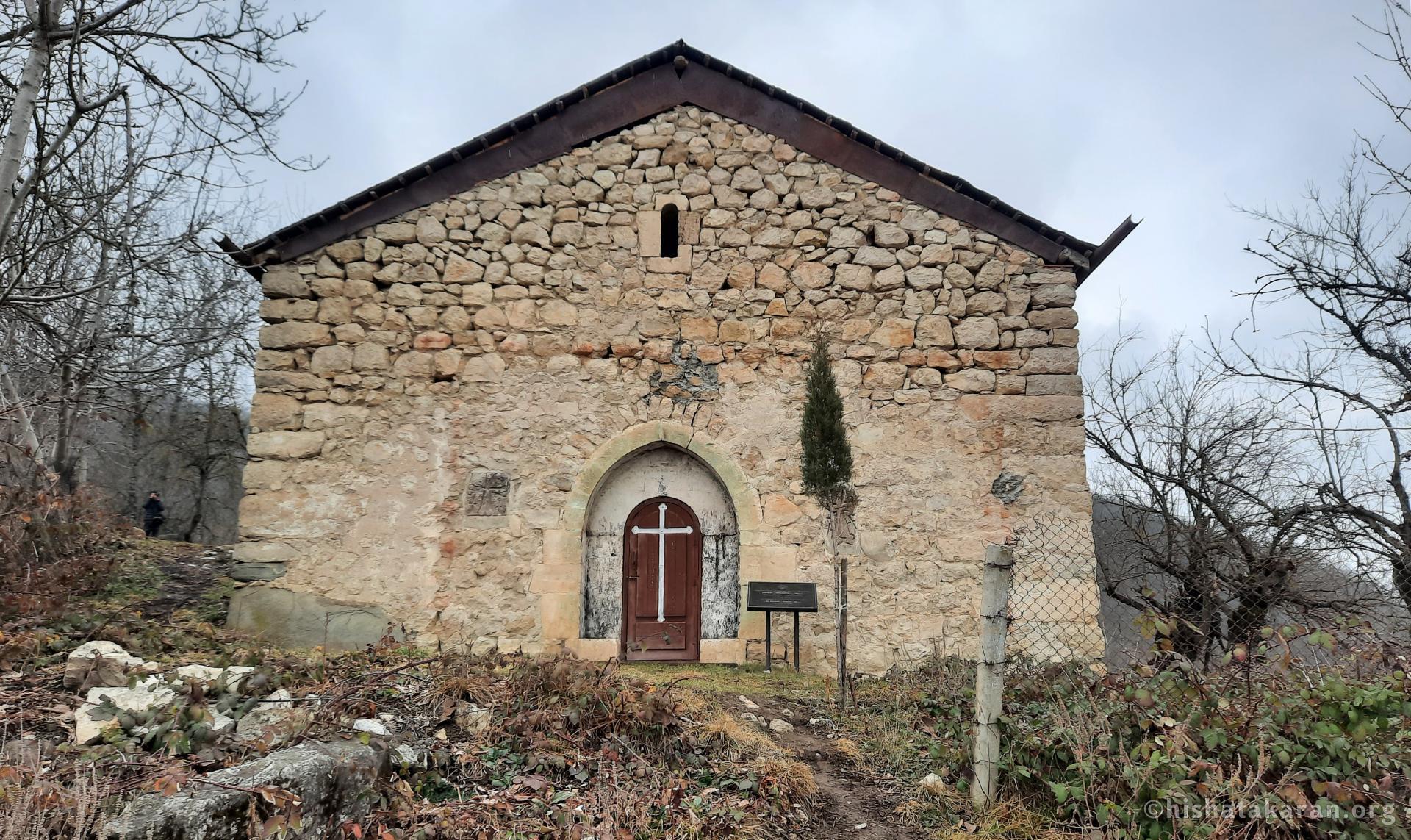
Photo by Armine Hayrapetyan
Sarushen, Church of the Surb Amenaprkich [Amenapʻrkichʻ], (Holy All-Savior)
Monument
Given name
Surb Amenaprkich [Amenapʻrkichʻ ],(Holy Saviour) Other names
It doesn"t have / Non initial, sequential and current
The church, originally established in the 16th-17th centuries, underwent continuous reconstructions throughout its history. In 1885, it was renovated by Grigor Ayvazyants. During the Soviet era, the church was repurposed as a warehouse. Between 2014 and 2015, it was restored through the generosity of Arsen Avetisyan. In 2022, a commemorative stone was placed in the sanctuary.
The name of conservation unit
Church
Individually referenced sections (parts) of conservation unit
Church, cemetery, tombstones
A topographic report
Region (province), community
Myus Haband province of the historical Great Armenian Artsakh world (later became part of the Varanda Principality). Until 2023, Artsakh Republic, Askeran region, Sarushen village.
Distance and location from community
It is located in the eastern part of Sarushen village, in the center of the old quarter.
Site elevation above sea level
It is 1099 m above sea level. Description
Church is located in the eastern part of Sarushen village, in the center of the old quarter. According to an article published in "Araks" magazine in 1893, the current building of the church dates back to the 16th century. «Սարուշէնցիք եկեղեցասէր են. ունին մի փոքրիկ եկեղեցի անթուական, ըստ աւանդութեան Փիրումաշէն գիւղի եկեղեցու հետ միաժամանակ շինուած (ՌԳ-հայոց կամ 1554 փրկչական թուականին) և երկու գերեզմանատուն՝ հնագոյնը Քաչալ Խութի հանգստարան անունով, միւսը եկեղեցուց արևելք,– երկուսումն էլ հին գերեզմաններ կան (մէկի տապանաքարի վերայ կարդացուում է 1663 փրկչական թիւը),– նաև Խաւա աղբիւրի առաջ մի մեծ ծառի տակ գեղեցիկ քանդակներով զարդարուած մի խաչքար,– գիւղական ուխդատեղի ս. Վանէս անունով»1 (The people of Sarushen are church-loving. They have a small undated church, which, according to tradition, was built at the same time as the church of the village of Pirumashen [Pʻirumashen] (in the year 1554 of the Armenian calendar or 1554 AD) and two cemeteries—the oldest named Kachal Khut [Kʻachal Khutʻ] Resting Place, and the other to the east of the church—both containing old graves (one tombstone is inscribed with the year 1663 AD). There is also a khachkar adorned with beautiful carvings under a large tree in front of the Khava spring, which is a rural pilgrimage site named St. Vanes [Vanēs]).
Ethnographer, folklorist Makar Bishop Barkhudaryants notes․ «….Եկեղեցին Ամենափրկիչ, քարուկիր, կառուցեալ մի կամարի վերայ, հնաշէն և նորոգուած քանիցս․․․․ Գաւառիս բոլոր եկեղեցեաց մէջ առաջնակարգ տեղ բռնած է եկեղեցուս ներքին և արտաքին պայծառութիւնն, զարդն ու զարդարանքն։ Այս պայծառութիւնը պարտական ենք Գերազնիւ Գրիգոր աղա Այվազեանցին հոգատար խնամոցն։ Քահանայ մի»2 ("...The church of Amenaprkich ([Amenapʻrkichʻ] All-Savior), built of stone on an arch, is ancient and has been renovated several times... Among all the churches in our region, the interior and exterior splendor, decoration, and adornment of our church hold a prominent place. This splendor is owed to the diligent care of the honorable Grigor Agha Ayvazyan. A priest.").
The author also mentions the handwritten gospel kept in the church․ «Եկեղեցումս է Սարուշէնի հռչակուած ձեռագիր աւետարանն, որի մօտ ուխտի են գալիս ոչ միայն Արցախի շատ կողմերից, այլ Բագուից, Թիփլիզից, այլ և մահմէտականք։ Աւետարանս մագաղաթեայ և մեծադիր է, որ ունի Ռստակէս, Վրդանէս և Ստեփաննոս վարդապետների պատկերները, բայց անճաշակ նկարուած. Առաջնոյն մօտ գրուած է․ «ԶՌստակէս գրիչ յիշեսջիք, սիրելի եղբարք»։ Ապա վախճանուելուց յետոյ գրուած է այլ գրողից. «որ փոխեցաւ առ Քրիստոս, որ գրեց զՄատթէս և զՄարկոս (աւետարանները)։ Երկրորդին մօտ գրուած է. «ԶՎրդանէս գրիչ՛ որ գրեցի զՂուկաս և զՅովհանէս զվիրաւրս մեղաւք յիշեսջիք ո՛վ պատուական եղբարք, զի չիք մարդ մեղաւոր քան զիս յերկրի…»։ Երրորդին մօտ գրուած է միայն իւր անունն։ Անճաշակ են պատկերներն, նախշերն և ծաղիկներն. սակայն գեղեցիկ է մագաղաթն և ամբողջապէս գրուած է գլխագրերով։ Սկզբում ունի յիշատակարանի նման մի գրութիւն, որն կարդացուում է խիստ դժուարութեամբ, ուր ի միջի այլոց գրուած է. «Բայց գրեցաւ սուրբ աւետարանս… յաբեթեանս թուականին ՈԼԱ.»։ Իսկ Մատթէոսի պատկերի տեղում գրուած է փակագրի ձևով. «Տէր Աստուած ողորմեա՛ Յակովբայ նկարչի»։ Նոյնպէս գրուած է սկզբում. «Յամի Տեառն 1827 և ի թուականիս (Հայոց) ՌՄՀԶ. սուրբ աւետարանս, որ գերի էր ընկել Պարսից տէրութիւնն, ես Ղարաբաղու Շուշի Ղալի բնակիչ Միրզայ Օհաննէսեան Զարկարեանցովս տեսի զսուրբ աւետարանս ի ձեռս անօրէն այլազգեաց ի քաղաք Թաւրէզ, վասն որոյ դրամս ետու և գնեցի ի արդար վաստակոց իմոց և բերեալ ՛ի աւմուրս Շուշի և յանձնեցինք այն տեղն, ուր կայր և այժմ 1833 ամի և յամսեան մայիսի 12-ին. բերաք տեղս վասն մեր ուխտադրութեանն նորոգելութեամբ աւետարանս, ահա նորոգեցինք և պայծառացուցինք ի յիշատակ մեր համայն կենդանեաց և ննջեցելոց. Միրզայ Օհանեան»3("In our church is the renowned manuscript gospel of Sarushen, to which pilgrims come not only from many parts of Artsakh, but also from Baku, Tiflis, and even Muslims. Our Gospel is large and made of parchment, containing the portraits of Rstakes [Ṛtakēs], Vrdanes, and Stepannos priests, although painted without taste. Next to the first it is written: "Remember the scribe Rstakes [Ṛtakēs], dear brothers." After his death, another writer added: "who departed to Christ, having written the Gospels of Matthew and Mark." Next to the second it is written: "Remember the scribe Rstakes [Ṛtakēs], who wrote the Gospels of Luke and John, for I am the most sinful on earth, dear brothers." Next to the third, only his name is written. The paintings, decorations, and flowers are tasteless. However, the parchment is beautiful and the entire manuscript is written in majuscules. At the beginning, there is a note resembling a colophon, which is very difficult to read, where among other things it is written: "But this holy Gospel was written in the year 1154 of the Armenian era." In the place of Matthew"s portrait, it is written in parentheses: "Lord God have mercy on the painter Hakob [Yakovb]." It is also written at the beginning: "In the year of our Lord 1827 and in the year 1278 of the Armenian calendar, this holy Gospel, which had been captured by the Persians, I, Mirza Ohannesean [Ohannēsean] from the family of Zarkareants from the town of Shushi, saw this holy Gospel in the hands of unlawful foreigners in the city of Tabriz, for which I gave money and bought it with my honest earnings and brought it to Shushi on May 12, 1833. We brought it here to renew our pilgrimage, and thus we renovated and beautified it in memory of all our living and deceased... Mirza Ohanean."").
Shahen Mkrtchyan in his book "Historical-Architectural Monuments of Nagorno-Karabakh" states that the mention of the renovation of the church in the 19th century is written on the entrance door, but it has not been preserved.
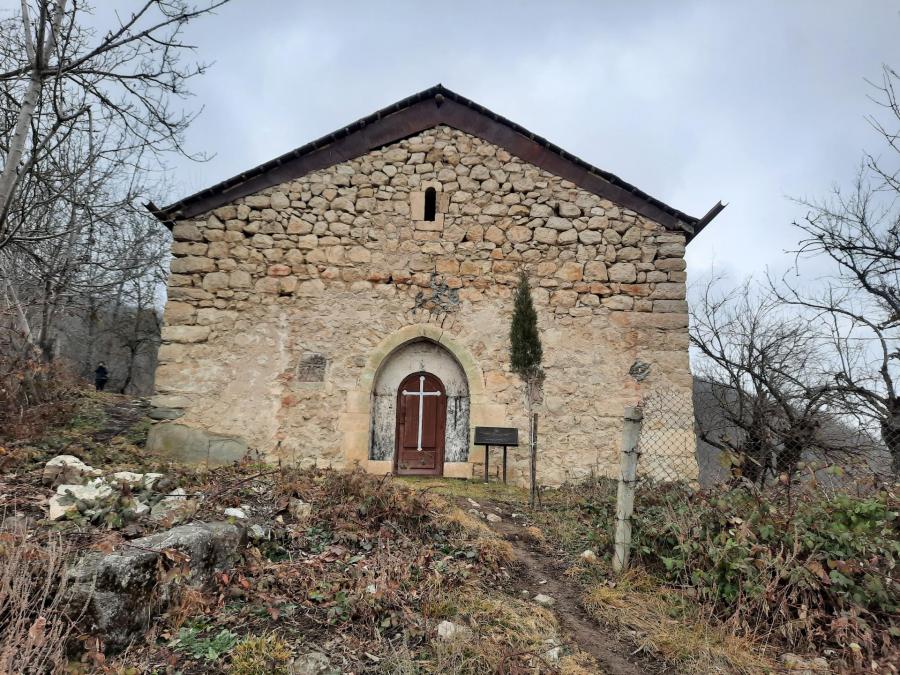
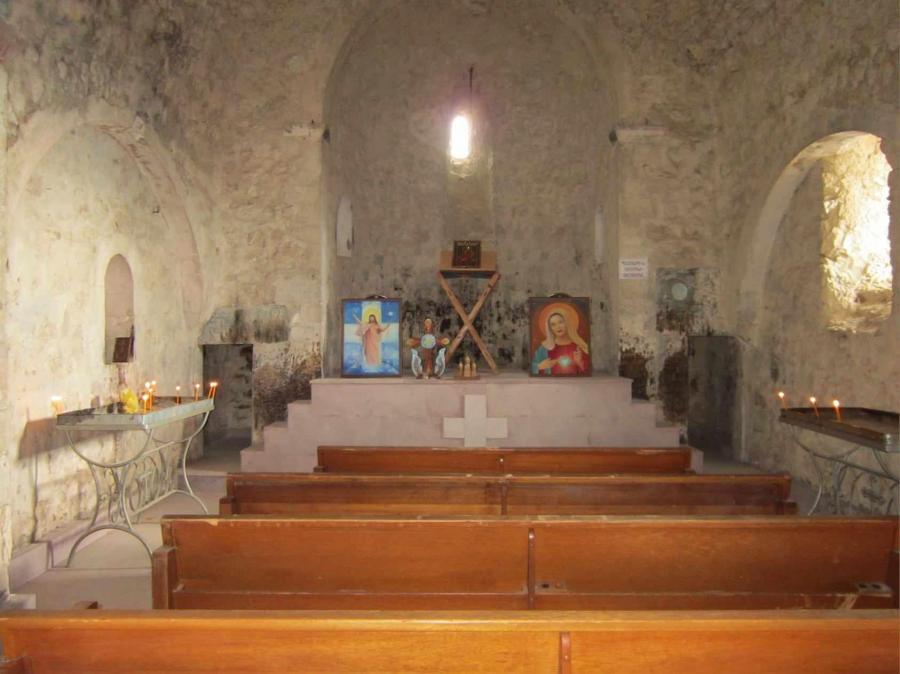
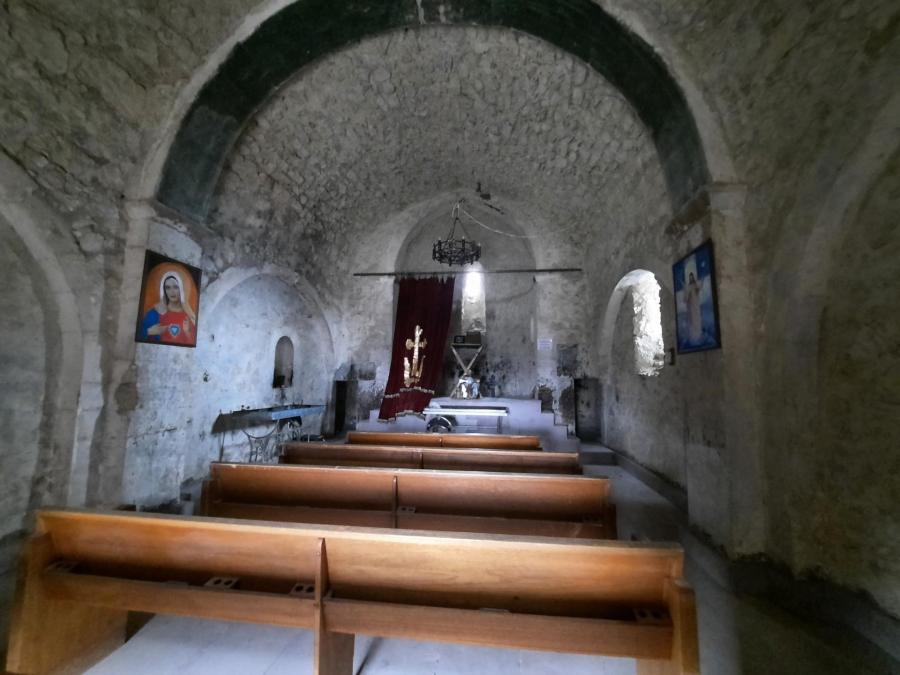
The church is a single-nave vaulted hall, featuring a semi-circular altar on the east side and two side chambers. The vault rests on the north and south walls, supported by two pairs of arches rising from the attached pillars of these walls. The exterior of the church is covered with a dual-sloped metal roof. There are two arched niches on the north and south walls of the altar. The altar (bem) is elevated, with four steps ascending on both sides. In a vaulted niche near the altar on the north wall, is located the baptismal font.
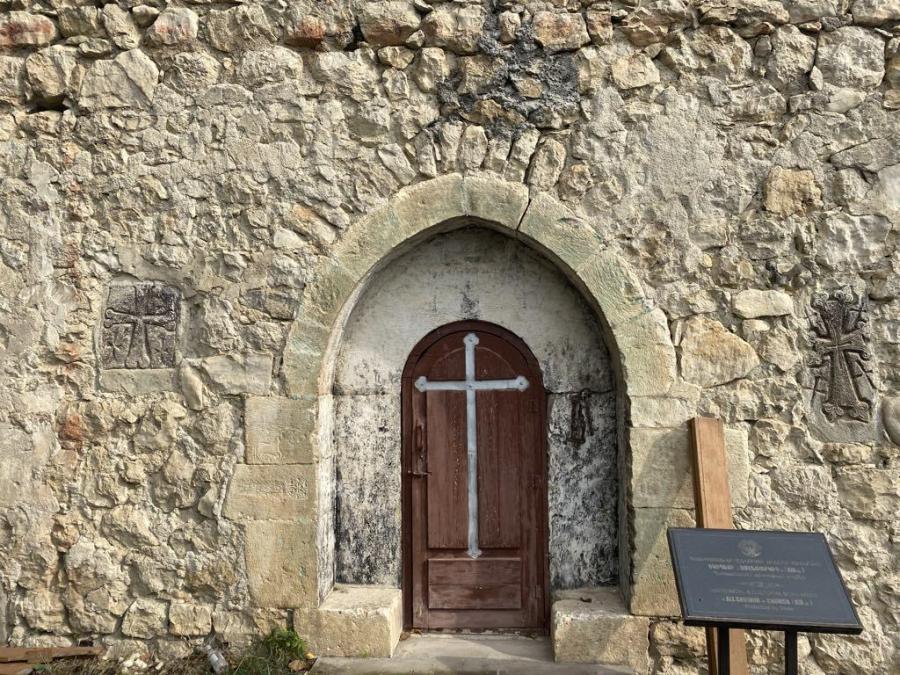
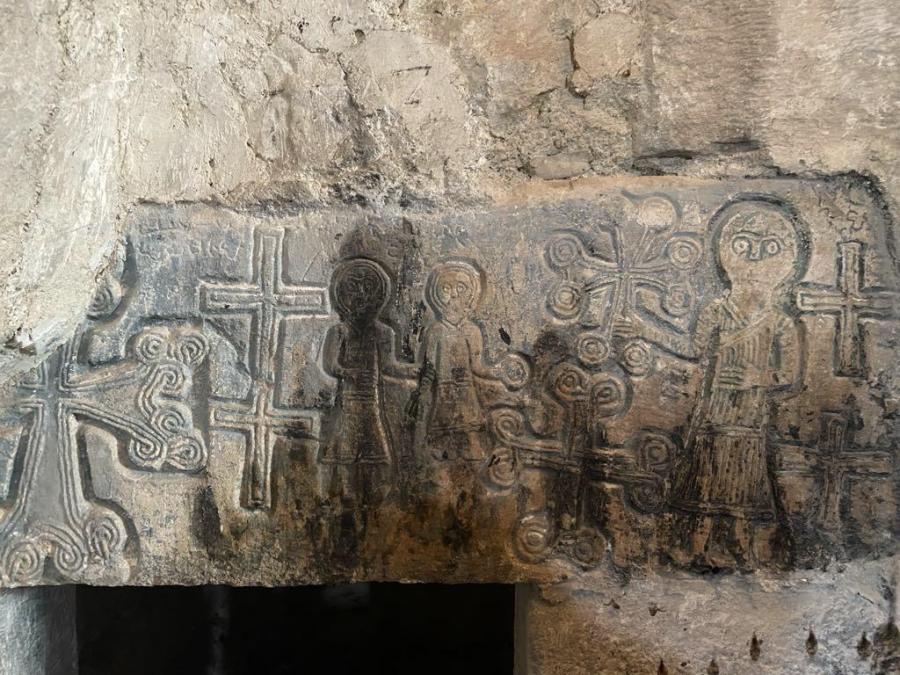
The church is illuminated by three eastern, one western, and two southern windows widening inwards. Two of the windows on the east side open from the side chambers, and the central one from the altar. The only entrance is on the west side, under two lateral columns and a pointed arch. The decoration is modest, although Barkhudaryants notes that it was the most luxurious church in the surrounding settlements in the 19th century. At the upper part of the entrance to each chamber of the church, as a lintel, there are fragments of tombstones with crucifixes and other sculpted decorations. The sculptures of the lintel in the northern chamber are especially noteworthy. The walls of the church are decorated with reliefs and cross carvings. The figures of flowers and horses carved on the left part of the entrance frame are interesting. On the south facade of the church, to the left and right of the entrance, there is one small khachkar of a donation nature.
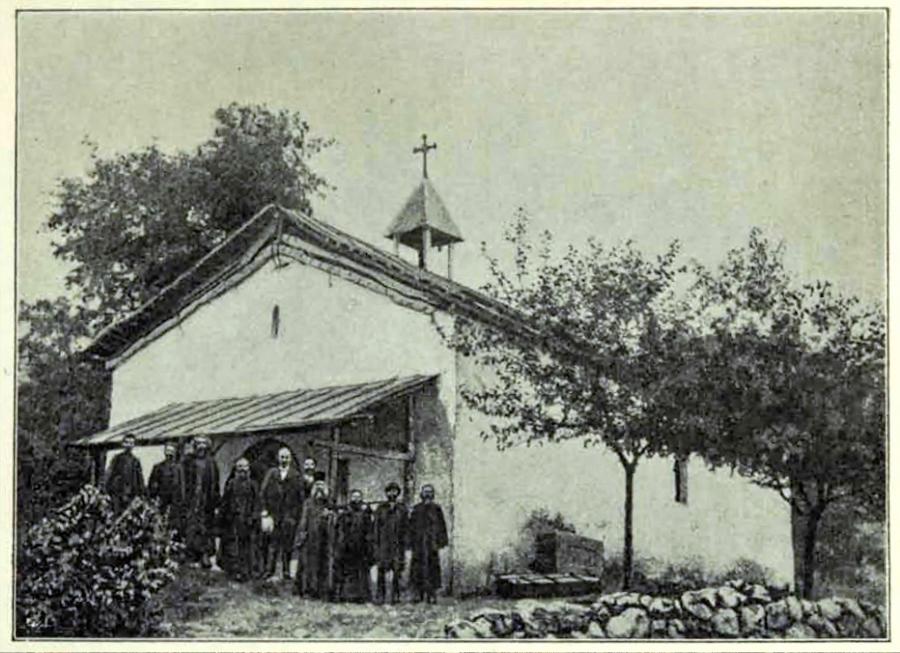
Based on the photograph published in the "Araks" magazine in 1893, during the renovation funded by Grigor Ayvazyan, not only was the church roof covering replaced, but a wooden four-column rotunda was constructed on the roof, and a wooden vestibule was added to the west side.
Historical record
Cultural characteristics, period, century (centuries)
Armenian Apostolic Church, 16th-17th centuries
Documents for dating: according to the iconography
According to architectural and construction characteristics Chronological table of monument
The church was likely constructed in the 16th-17th centuries. In the second half of the 19th century, it underwent renovations, adding a wooden vestibule and a rotunda. The interior and exterior underwent restoration. The roof was renovated. In recent years, restoration work was carried out in In 2014-2015, including the renovation of the altar and the laying of stone slabs. Since September 2023, it has been under the control of Azerbaijan. The current condition of the monument is unclear.
Descriptive-Characterization Report
Architectural overview: architectural composition
It is an arched, vaulted hall constructed using rough and hewn stones and lime mortar. The church altar features a semicircular design flanked by two adjacent rectangular chambres.
Building material (type, colour)
Sandstone, limestone, lime mortar, plaster
Building openings: entrances (number, orientation)
The only entrance to the church is from the western side.
Building openings: windows (number, orientation)
There are six windows on the eastern, western and southern facades.
Structures (load-bearing, roofing)
Arched, vaulted
Roof (material, type)
Curved, sheet metal
Methods of construction (processing of construction material, masonry, size, type, cladding)
The church was constructed with small rough stones and lime mortar. Cut limestone was used for the important architectural elements such as cornerstones, pillars, arches, etc.
Finishing and decoration
Discreet
Type
Rural church Dimensions: length
13,50 m Dimensions: width
8,45 m The condition of the monument before the forced displacement of Armenians
Good Value
It is important for studying the historical, cultural and spiritual heritage of Askeran region and Sarushen village of Artsakh. ----------------------------
1Արցախեցի, «Սարուշէն գիւղը», Արաքս հանդես, № Ա, Սանկտ Պետերբուրգ, 1893, էջ 45-46։
2Barkhutareants M․, Artsakh, Bagu, 1895, p. 100-101։
3Barkhutareants M․, Artsakh, Bagu, 1895, p. 101-102։
Photos
...
Main bibliography
Արաքս հանդես, № Ա, Սանկտ Պետերբուրգ, 1893.
.
A․ H․, S․ D․